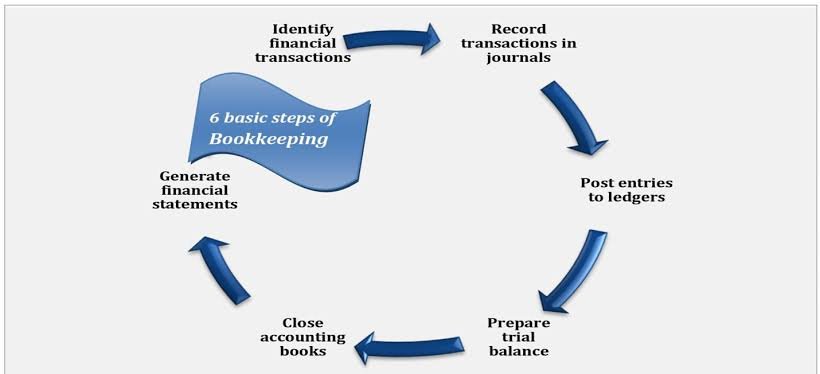
Learning bookkeeping for small business owners doesn’t need to feel overwhelming. Most small businesses only need a handful of consistent habits, not a full accounting degree.
I’ve helped a few small shop owners set up their first proper bookkeeping system, and honestly, the hardest part is never the math — it’s just building the habit of doing it regularly.
The Basics of Small Business Bookkeeping
In short, bookkeeping for small business means recording every transaction, categorizing income and expenses, reconciling your bank account monthly, and reviewing a simple profit and loss statement regularly.
Step 1: Choose Your Bookkeeping Method
Options range from a simple spreadsheet to dedicated software like Tally, Zoho Books, or QuickBooks. For very small businesses, a well-organized spreadsheet is genuinely fine to start.
Step 2: Open a Separate Business Bank Account
This one step alone makes bookkeeping dramatically easier. Every transaction that hits this account is business-related, cutting out hours of manual sorting later.
Step 3: Record Every Transaction Consistently
Set a fixed time — weekly works well for most small businesses — to log all income and expenses. Waiting until month-end to catch up almost always leads to missing or misremembered transactions.
Step 4: Categorize Income and Expenses
Common categories include:
- Sales revenue
- Cost of goods sold
- Rent and utilities
- Marketing expenses
- Salaries and wages
- Miscellaneous/other
Consistent categories make it much easier to spot spending patterns over time.
Step 5: Keep All Receipts and Invoices
Digital copies work fine — apps can photograph and store receipts automatically. This matters both for your own records and for GST or tax filing purposes.
Step 6: Reconcile Your Bank Account Monthly
Compare your recorded transactions against your actual bank statement each month. This catches errors, missed entries, or even fraud early, rather than months later.
Step 7: Review a Simple Profit and Loss Statement
Even a basic monthly P&L — total income minus total expenses — tells you far more about your business health than most owners realize until they start looking.
Step 8: Set Aside Money for Taxes as You Go
Don’t wait until tax season to figure out what you owe. Setting aside a percentage of income regularly avoids a painful cash crunch later.
Common Bookkeeping Mistakes to Avoid
- Mixing personal and business expenses
- Waiting too long between updates
- Not keeping receipts for smaller expenses
- Ignoring bank reconciliation entirely
Are you currently doing any of these without realizing it?
FAQs
Can I do my own bookkeeping without hiring an accountant? Yes, especially for small businesses — basic bookkeeping is manageable with consistent habits and simple tools like spreadsheets or affordable software.
How often should I update my books? Weekly is ideal for most small businesses; monthly is the bare minimum to avoid losing track of details.
What’s the easiest bookkeeping software for beginners in India? Zoho Books and Tally are popular choices, both designed with GST compliance in mind for Indian businesses.
Do I need to keep physical receipts? Digital copies are generally acceptable, as long as they’re clear and properly stored for tax and audit purposes.
What happens if I don’t reconcile my bank account regularly? Errors and discrepancies can go unnoticed for months, sometimes leading to inaccurate financial statements or missed fraud.
Conclusion
Solid bookkeeping for small business owners comes down to consistency, not complexity — record transactions regularly, separate business and personal finances, and review your numbers monthly. These habits alone prevent most of the financial headaches small business owners run into. Start this week: set a recurring weekly reminder to log your transactions, and stick with it for a month.