A tiny water leak doesn’t seem like much at first. Perhaps there’s a damp patch beneath the kitchen sink, a faint drip near a water filter, or a little moisture around a pipe connection. It’s easy to wipe it away and get on with the day. But water has a habit of finding its way into places where it can cause trouble, and a minor leak left unnoticed can eventually lead to damaged cabinets, unpleasant odors, or expensive repairs.
The challenge is that not every leak announces itself with a puddle on the floor. Some develop behind appliances, beneath flooring, or around fittings that are rarely inspected. Fortunately, modern monitoring tools and a few sensible habits can help homeowners spot warning signs earlier. You don’t need a complicated smart home to protect your property, either. Sometimes, the best results come from combining simple checks with technology that suits your needs.
Why Small Water Leaks Deserve Attention
Water moves quietly through much of a home. Supply lines run behind walls, connections sit beneath sinks, and appliances such as washing machines and water heaters depend on hoses and valves that can gradually wear down. A loose fitting or deteriorating seal may release only a small amount of water at a time.
The problem is that a slow leak can continue for days or even weeks before anyone notices it. Moisture may soak into wood, weaken flooring, damage stored belongings, or create conditions that encourage mold growth. In a utility cupboard, the first visible sign might be a musty smell rather than standing water.
This is where micro-leak detection can be useful. Depending on the technology, it may involve moisture sensors placed near vulnerable connections, devices that monitor unusual water flow, or specialized equipment used by leak-detection professionals. Some systems are designed to identify small changes in pressure or water usage that could indicate a leak.
No single method catches every problem. A moisture sensor can detect water only when it reaches the sensor, while a flow-monitoring device may struggle to distinguish a small leak from normal household use. The right approach depends on the property, plumbing layout, and potential consequences of a leak.
Where Leak Monitoring Makes the Most Sense
You don’t necessarily need a sensor beside every pipe. Start with areas where a leak could cause damage or remain hidden for a long time.
The cabinet beneath the kitchen sink is an obvious place to begin. Water supply lines, drain connections, and filtration equipment often share a small space, and stored cleaning products can conceal early signs of moisture. Bathrooms are another priority, particularly around toilets, vanities, and washing machine connections.
If your home has a refrigerator with a water dispenser, a dishwasher, or a reverse osmosis drinking-water system, inspect the associated tubing and fittings. These connections are often overlooked because they’re tucked behind appliances or inside cabinets.
Basements, utility rooms, and areas around water heaters deserve attention, too. In homes with smart monitoring systems, a main-line sensor can provide a broader view of unusual water use. However, it may not identify the precise location of a leak, so physical inspection can still be necessary.
Think about the potential damage, not just the likelihood of a leak. A small leak above an expensive wooden floor may deserve more attention than one in a tiled utility room with a floor drain. A little planning helps you put monitoring equipment where it’ll make the greatest difference.
How Real-Time Alerts Can Help
Traditional leak detection often depends on someone noticing a problem during a routine visit or household chore. Smart monitoring adds another layer by sending a notification when a sensor detects moisture or a connected device identifies an unusual flow pattern.
For busy homeowners, real-time alerts can shorten the time between a problem starting and someone responding. Depending on the product, notifications may appear in a mobile app, sound an audible alarm, or reach designated household members. Some systems can also trigger an automatic shutoff valve when a leak is detected.
That last feature can be especially useful when a property is empty for several days. If a washing machine hose fails while nobody is home, an automatic shutoff may limit the amount of water released. Still, it’s important to understand exactly what the equipment does. A notification-only system cannot stop the flow of water, and an automatic valve may not prevent damage from every plumbing failure.
Before buying a smart monitor, check its compatibility with your plumbing, Wi-Fi requirements, sensor range, and power supply. Ask whether the device needs a subscription for notifications or advanced features. If you live in a large house, you may also need multiple sensors to cover separate areas.
Most importantly, don’t treat an alert as a minor phone notification to deal with whenever you have time. If the warning suggests active leakage, investigate promptly and shut off the appropriate supply when it is safe to do so.
Creating a Practical Preventative Maintenance Routine
Technology is helpful, but it works best when the plumbing itself receives regular attention. Hoses, seals, filter housings, and valves all have limits. A sensor may tell you that something is wrong, yet it can’t always explain why the problem occurred.
Well-designed preventative maintenance plans help homeowners stay ahead of common issues. A practical plan might include checking visible pipes every few months, inspecting appliance hoses according to the manufacturer’s guidance, testing leak sensors, and reviewing water-monitoring data for unusual patterns.
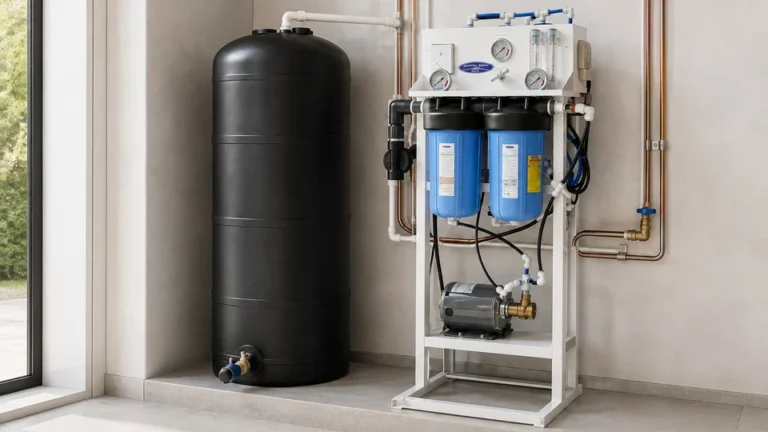
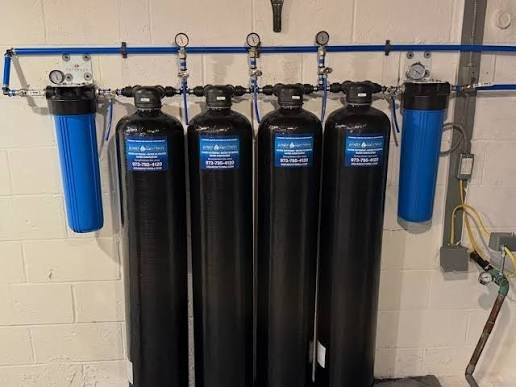
If your home uses a filtration or reverse osmosis system, follow its maintenance schedule and check connections whenever you replace a cartridge. A poorly seated housing or worn seal can cause leakage even when the filter itself is new. Never open pressurized equipment without following the manufacturer’s shutdown and depressurization instructions.
It’s useful to keep a record of inspections and repairs. Write down when a hose was replaced, when a sensor battery was changed, and whether a plumber identified any recurring concerns. These details help you recognize patterns rather than treating every incident as an isolated surprise.
For older properties or homes with a history of leaks, a licensed plumber may recommend a more detailed inspection. The appropriate schedule depends on the plumbing’s age, condition, and local requirements.
What to Do When a Leak Is Detected
When you find water where it shouldn’t be, stay calm and focus on limiting further damage. If you can safely identify the relevant shutoff valve, turn off the affected supply. For a larger or unexplained leak, you may need to close the main water valve and contact a plumber.
Keep water away from electrical outlets, appliances, and exposed wiring. If the area is wet and electrical equipment may be affected, don’t step into the water or attempt repairs; seek appropriate professional help.
Take photographs of the affected area and move belongings away from the leak if it’s safe. If the water has reached flooring, walls, or cabinets, prompt drying and professional assessment may be needed to prevent lingering moisture. Simply wiping the visible surface may not be enough if water has seeped underneath.
If a monitoring system repeatedly sends false alarms, don’t ignore every notification. Check sensor placement, batteries, connectivity, and the manufacturer’s troubleshooting advice. A system that isn’t maintained or tested may offer less protection than you expect.
Protecting Your Home Without Overcomplicating Things
Preventing water damage doesn’t have to involve expensive equipment in every room. Start by checking the most vulnerable plumbing connections, fixing known problems, and deciding whether leak sensors or whole-home monitoring would provide meaningful protection.
For some households, a few strategically placed sensors will be enough. Others may benefit from flow monitoring and an automatic shutoff valve, especially when the property is frequently unoccupied or contains areas where water damage could be costly.
The goal is not to eliminate every possible risk. That’s rarely realistic. It’s to notice problems sooner, respond quickly, and make sensible maintenance part of owning a home. A little attention today can spare you a great deal of disruption tomorrow, and that’s a worthwhile return on a relatively small investment.