Water is one of those everyday essentials that rarely gets much attention until something changes. Perhaps the water coming from your kitchen tap looks cloudy, has an unpleasant smell, or leaves you wondering why your morning coffee tastes different. These small details can be frustrating, especially when you expect clean, refreshing water without giving it a second thought.
Water quality can vary considerably depending on the source, local treatment processes, plumbing, and naturally occurring minerals. Some changes are harmless, while others deserve closer investigation. The challenge is knowing which is which and what to do about them.
Understanding a few basic water quality indicators can help homeowners and business owners make better decisions. From cloudy water to persistent odors, identifying the cause is often the first step toward choosing an effective treatment solution.
What Does Cloudy Water Really Mean?
Clear water is usually what people expect from a tap. So, when a glass of water looks hazy or contains tiny floating particles, it’s understandable to feel concerned. However, cloudy water doesn’t always indicate contamination.
One possible explanation is turbidity, a measure of how much suspended material makes water appear cloudy. Tiny particles of clay, silt, organic matter, or other substances can scatter light and reduce water clarity. Turbidity is commonly measured during water quality testing and can provide useful information about treatment performance.
Sometimes, though, cloudy water has a much simpler explanation. If you fill a glass and notice tiny bubbles that gradually disappear from the bottom upward, the cloudiness may be caused by dissolved air escaping from the water. This is often harmless.
The location and timing of the problem can offer helpful clues. If cloudiness appears only at one faucet, the fixture or local plumbing may be involved. If it affects every tap, the issue could relate to the incoming supply or plumbing system.
Persistent cloudiness, visible particles, or a sudden change in appearance deserves investigation. Don’t rely on appearance alone to determine whether water is safe to drink. Appropriate testing is the more reliable way to identify the cause.
Why Taste and Odor Matter
Water doesn’t need to look unusual to raise questions. Sometimes the first warning sign is a smell or taste that wasn’t there before.
A noticeable chlorine taste may come from disinfectants used during municipal water treatment. Although chlorine plays an important role in controlling harmful microorganisms, some people find its taste or smell unpleasant. Certain carbon filters can reduce chlorine taste and odor when properly selected and maintained.
A musty or earthy smell may be associated with naturally occurring compounds produced by algae or other microorganisms in source water. A rotten-egg odor can sometimes indicate hydrogen sulfide, although other causes are possible. Metallic tastes may be related to dissolved metals, corrosion, or the plumbing itself.
Changes in taste and odor should be considered in context. A mild, familiar chlorine smell may be expected in treated municipal water, but a sudden, strong, or unusual odor shouldn’t automatically be dismissed.
If water smells like fuel, chemicals, or sewage, avoid drinking it or using it for food preparation until the source has been assessed. Contact your water supplier if you’re connected to a public system, or seek appropriate testing if you use a private well.
A filter may improve certain sensory qualities, but masking an unpleasant taste doesn’t necessarily make water safe. Identifying the underlying cause should come before selecting treatment equipment.
How Water Filtration Can Improve Everyday Use
Water filtration involves passing water through a material or treatment process designed to reduce specific unwanted substances. The right system depends on what needs to be addressed, how much water is used, and where treatment is required.
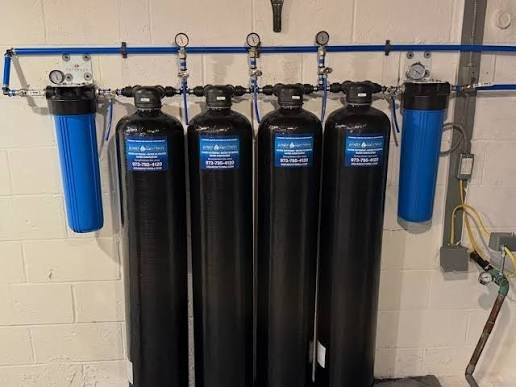
Sediment filters capture suspended particles such as sand and rust. Carbon filters can reduce chlorine and certain organic compounds, depending on their design and certification. Specialized media may target iron, manganese, or other substances under suitable conditions.
Some homes benefit from a point-of-use filter installed beneath the kitchen sink. Others may need whole-house treatment to address concerns affecting several fixtures or appliances. These approaches serve different purposes, so choosing between them requires a little thought.
For example, a household experiencing sediment throughout its plumbing may benefit from treatment at the point where water enters the property. Meanwhile, someone primarily concerned about drinking-water taste might find a smaller kitchen filtration system sufficient.
It’s also important to remember that filters have limits. A system designed to reduce chlorine may not remove nitrate, lead, or microorganisms. Check the manufacturer’s performance claims and look for relevant third-party certifications rather than relying on broad promises.
Is Reverse Osmosis the Right Choice?
When people start researching drinking-water treatment, reverse osmosis often appears among the recommended options. It’s a widely used technology, but whether it makes sense for a particular home depends on the water quality concerns involved.
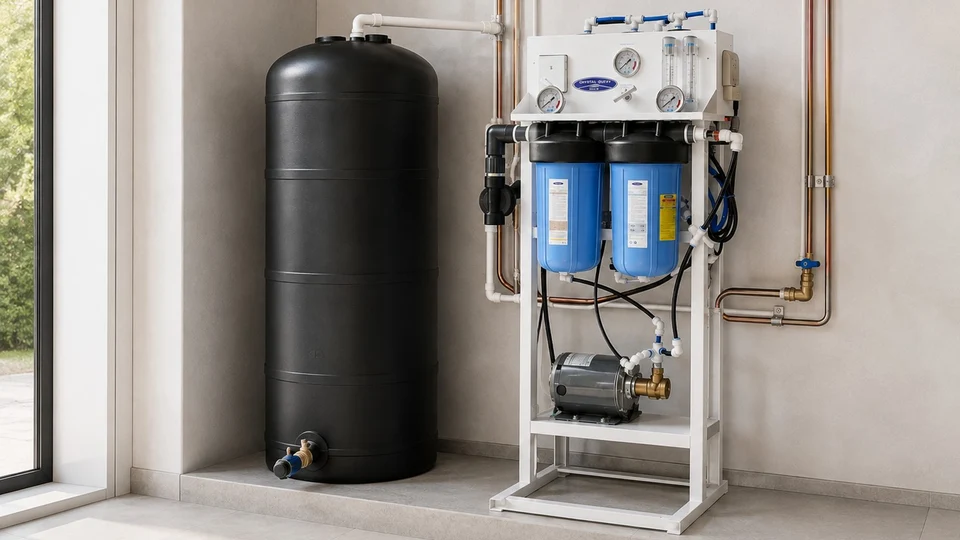
A reverse osmosis water treatment system pushes water through a semipermeable membrane that reduces many dissolved substances. Depending on the system, pretreatment, and operating conditions, it can reduce certain salts, metals, and other contaminants. Many residential units also include additional filters to improve taste and protect the membrane.
These systems are commonly installed at a kitchen sink, providing treated water for drinking, cooking, and preparing beverages. For households dealing with specific dissolved contaminants, reverse osmosis may be a suitable option when the system has been verified to address those substances.
There are trade-offs, however. Reverse osmosis systems generally produce some wastewater, and their filters and membranes need periodic replacement. They may also reduce naturally occurring minerals, although these minerals can be obtained through food as part of a balanced diet.
Not every water quality concern requires reverse osmosis. If the main issue is hardness, for example, a water softener may be more appropriate. If chlorine taste is the only concern, a suitable carbon filter could provide a simpler solution.
Testing the water first helps avoid spending money on technology you may not need.
Choosing a System Without Getting Overwhelmed
Water treatment products can look remarkably similar online, even when their capabilities differ. One system may be designed for sediment, another for dissolved substances, and a third for hardness. Comparing them by price alone can lead to disappointing results.
Start by identifying the issue. Review your municipal water quality report if one is available, or arrange appropriate testing for your private well. Consider whether the concern affects drinking water only or the entire property.
Next, think about daily usage. A small household may have different capacity requirements from a large family or a commercial kitchen. Installation space, water pressure, maintenance access, and replacement filter costs also deserve attention.
Ask providers to explain what their recommended equipment can reduce and what it cannot. Request information about installation, maintenance intervals, warranties, and the availability of replacement parts. A trustworthy recommendation should be based on your water conditions rather than a one-size-fits-all sales pitch.
Regular maintenance matters just as much as the initial purchase. A neglected filter can lose effectiveness, while an overdue replacement may affect water flow or treatment performance. Follow the manufacturer’s schedule and investigate any sudden change in water quality.
Making Better Water Quality Decisions
Cloudiness, unusual tastes, and unpleasant odors can all offer clues about what’s happening in your water supply. Sometimes the explanation is simple, such as tiny air bubbles. In other cases, testing may reveal a problem that needs a more targeted response.
The important thing is not to jump to conclusions. Water appearance, taste, and smell can help identify changes, but they cannot reliably detect every potential health concern.
Take time to understand your water source, test when appropriate, and select treatment equipment that addresses verified needs. Whether you choose a basic sediment filter, a carbon unit, or a more advanced system, the goal should be dependable performance rather than unnecessary complexity.
Better water begins with informed choices. With the right information and sensible maintenance, you can improve everyday water quality and feel more confident about what comes from your tap.