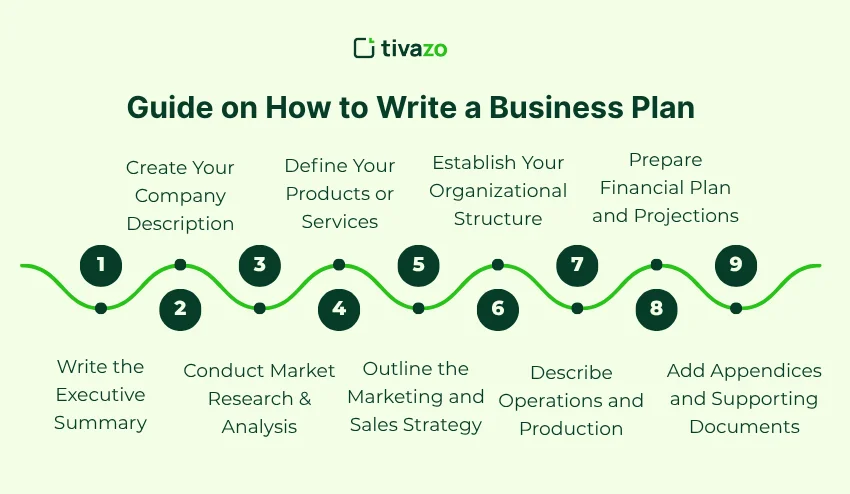
A lot of new founders freeze up the moment someone says “write a business plan.” It sounds like a 40-page document meant for investors in suits. It doesn’t have to be. A good business plan template can fit on two pages and still do its job.
I’ve written business plans both ways — the bloated 30-pager and the lean one-pager — and honestly, the short version gets used more. The long one usually sits in a drawer.
What a Business Plan Template Actually Needs
In short: a solid business plan template covers your problem, solution, target customer, revenue model, costs, and a rough 12-month goal — nothing more is required to get started.
Section 1: The Problem You’re Solving
Write one or two sentences. What pain point does your business fix? Be specific. “People in Tier-2 cities struggle to find reliable home tutors” is better than “education is broken.”
Section 2: Your Solution
How does your product or service solve that problem? Keep this section under 100 words. If you can’t explain it simply, you probably haven’t nailed it down yet.
Section 3: Target Customer
Who exactly is buying this? Age, location, income range, and what they currently do instead of using your product. The more specific, the better your marketing later.
Section 4: Revenue Model
How does money actually come in?
- One-time sales
- Subscriptions
- Commission-based
- Service fees
Pick one to start. You can add more streams later once the first one works.
Section 5: Costs and Break-Even Point
List your fixed costs (rent, salaries) and variable costs (materials, delivery). Then calculate roughly how many sales you need each month to break even. This single number will guide most of your early decisions.
Section 6: Marketing Plan (Keep It Simple)
You don’t need five channels on day one. Pick two — say, Instagram and local word-of-mouth — and go deep instead of spreading thin.
Section 7: 12-Month Milestones
Set three or four checkpoints. For example:
- Month 1-2: Get first 10 paying customers
- Month 3-6: Reach ₹50,000/month revenue
- Month 7-12: Hire first team member
A Simple Business Plan Template You Can Copy
- Problem:
- Solution:
- Target Customer:
- Revenue Model:
- Monthly Costs:
- Break-Even Sales Number:
- Marketing Channels (pick 2):
- 12-Month Goals:
That’s it. Eight lines. Fill it in honestly and you’ll know more about your business than most people who write 30-page plans nobody reads.
Common Mistakes With Business Plans
- Making it too long and detailed before testing the idea
- Guessing costs instead of researching real numbers
- Ignoring the break-even calculation entirely
- Writing it once and never updating it
FAQs
Do I need a business plan to start a small business? Not a formal one, but even a one-page plan helps you think through costs and customers before you spend money.
What’s the difference between a business plan and a pitch deck? A business plan is detailed and internal-facing; a pitch deck is a shorter, visual version made for investors.
How long should a beginner’s business plan be? One to two pages is plenty for most small businesses. Save the long version for when you need bank or investor funding.
Can I use a business plan template for a service business? Yes, the same structure works — just adjust the revenue model and cost sections for services instead of products.
Should I update my business plan after launch? Definitely. Revisit it every few months as real numbers replace your early guesses.
Conclusion
A business plan template doesn’t need to be complicated to be useful — it just needs to be honest. Fill in the eight sections above, be realistic about costs, and revisit it as you learn more. That’s a plan you’ll actually use, not one that gathers dust. Grab a notebook and fill in your version today — it takes less than 30 minutes.