Water is something most of us use without giving it much thought. We turn on the tap to fill a glass, wash vegetables, take a shower, or clean the kitchen, expecting it to do its job. But when water leaves spots on fixtures, develops an unusual taste, or causes scale to build up inside appliances, those small annoyances can point to a bigger issue. Water quality affects everyday comfort, household maintenance, and the long-term performance of plumbing and treatment equipment.
The good news is that improving water quality doesn’t always require a complicated solution. With proper testing, suitable treatment equipment, and a little attention over time, homeowners and businesses can make meaningful improvements. The trick is understanding what the water actually needs instead of buying a system based on guesswork.
Start by Understanding Your Water
Before choosing a filter or treatment unit, it’s worth finding out what’s in the water. Municipal supplies, private wells, and groundwater sources can have very different characteristics. Even two homes in the same neighborhood may experience different problems because of their plumbing, storage tanks, or water sources.
Hardness is a common concern, particularly in areas where groundwater contains elevated levels of dissolved minerals. Iron can leave reddish-brown stains, while sediment may cause cloudy water or collect in fixtures. Some supplies also contain dissolved solids that affect taste. Other concerns, including certain metals or microorganisms, require specific testing rather than a visual inspection.
Clear water isn’t necessarily problem-free, and cloudy water doesn’t automatically mean it’s unsafe. Appearance and smell can offer useful clues, but laboratory analysis or appropriate water testing provides a more reliable starting point. Once the actual conditions are understood, it becomes easier to choose equipment that addresses the problem without adding unnecessary expense.
Why Water Treatment Should Fit the Property
There’s no universal treatment system that works equally well for every situation. A small apartment with municipal water has different needs from a large family home supplied by a private well. A restaurant, office building, or manufacturing facility may need to consider water usage, operating schedules, equipment protection, and the consistency of its supply.
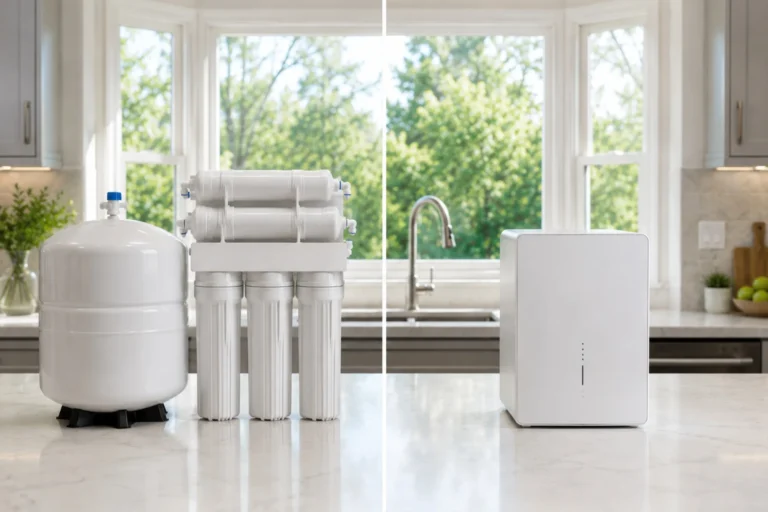
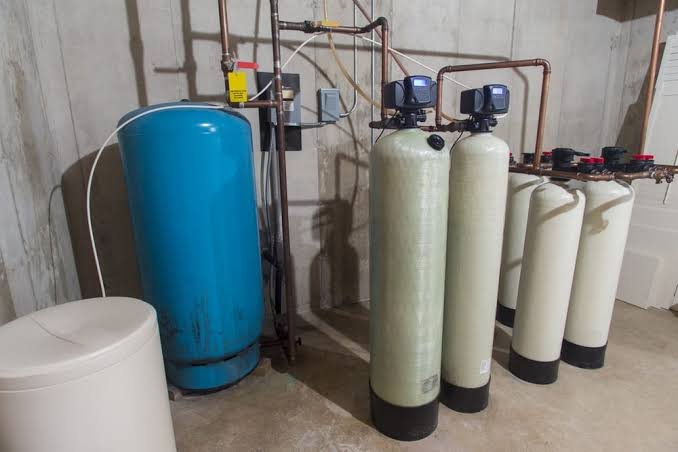
For a household, the first question is often practical: Is the main concern drinking water, hard water throughout the house, or both? A point-of-use filter can help address selected drinking-water concerns, while a whole-house system treats water entering the property’s plumbing. These systems serve different purposes, and choosing between them depends on test results and daily requirements.
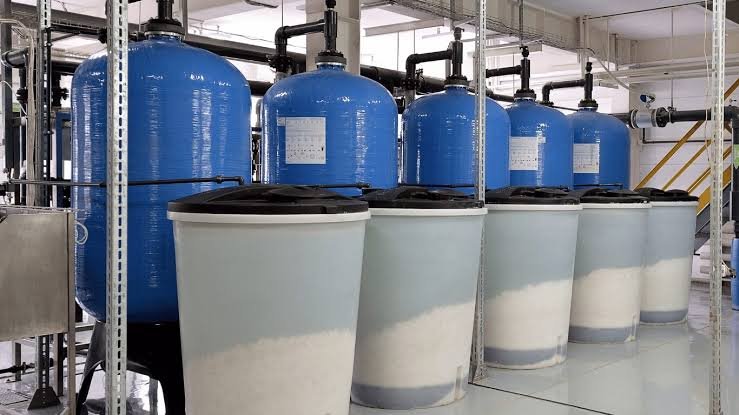
Commercial properties have additional considerations. Kitchens, laundries, cooling equipment, and production processes can all respond differently to water quality. A treatment system that performs well in a small office may struggle in a busy facility with heavy demand. Proper sizing matters just as much as the technology itself.
The Everyday Benefits of Water Softening
Hard water often reveals itself gradually. Soap may refuse to lather properly, glassware develops cloudy marks, and white deposits appear around faucets or showerheads. Inside water heaters and other appliances, mineral scale can accumulate out of sight. Over time, that buildup may reduce efficiency and increase cleaning or maintenance needs.
A properly selected water softening system can reduce hardness by removing calcium and magnesium ions, commonly through an ion-exchange process. The result is water that is less likely to leave mineral deposits on surfaces and inside plumbing equipment. Many households also find that bathing, cleaning, and laundry become more convenient once hardness is managed.
However, softening isn’t the same as removing every possible contaminant. A conventional softener isn’t designed to disinfect water or eliminate all dissolved chemicals. Depending on the test results, additional filtration or another treatment method may be appropriate. Some systems also use salt during regeneration, so homeowners should understand the operating requirements and consider local water conditions before making a decision.
The goal isn’t to treat water as much as possible. It’s to treat it appropriately.
Choosing Filtration That Can Handle Real Demand
Filters vary considerably in their design and purpose. Sediment filters capture particles such as sand, rust, and other suspended material. Activated carbon can reduce certain compounds responsible for unpleasant tastes and odors. Reverse osmosis systems are designed to reduce many dissolved substances, although performance depends on the membrane, feed-water conditions, and system configuration.
When water use is high, equipment capacity becomes especially important. A filter that’s suitable for one kitchen tap may not be able to supply an entire home or commercial property at peak demand. Undersized equipment can cause pressure problems, require more frequent servicing, or struggle to deliver consistent performance.
A properly designed high-capacity filtration system can accommodate larger water volumes when the application calls for it. The right choice depends on factors such as flow rate, contaminant levels, pressure, and the number of fixtures or processes being served. Larger equipment isn’t automatically better, though. Oversizing can increase upfront costs and may create unnecessary operating demands if the property doesn’t need that capacity.
Good system design balances performance with practicality. It should meet actual demand while leaving room for routine maintenance and future changes in water use.
Installation Is Only the Beginning
Even quality equipment can disappoint when it’s installed incorrectly. Connections must be secure, flow direction must be correct, and the system needs to operate within its recommended pressure and temperature limits. Depending on the equipment, installation may also involve drainage, electrical connections, bypass valves, or a dedicated drinking-water faucet.
Professional installation helps ensure the system is matched to the property’s plumbing and configured according to the manufacturer’s requirements. It also provides an opportunity to check for leaks, confirm operating settings, and explain what the owner should monitor.
Before the work is complete, ask a few straightforward questions. How often should the filter be replaced? Does the system need periodic cleaning or sanitization? What signs suggest that performance is declining? Knowing the answers can prevent confusion later and make routine care far less stressful.
The Value of Ongoing Maintenance
Water treatment equipment works behind the scenes, which makes it easy to forget about. Unfortunately, filters don’t last forever. Cartridges collect material, membranes can lose performance, and moving components may require inspection. In a softener, salt levels and regeneration settings also need attention.
A sensible ongoing maintenance & support plan helps keep equipment operating as intended. Depending on the system, maintenance may include replacing consumables, checking pressure, inspecting connections, cleaning components, and testing treated water periodically. Commercial installations may need a more structured service schedule because interruptions can affect daily operations.
It’s wise to follow the manufacturer’s recommendations rather than replacing every component on an arbitrary schedule. Water quality and usage influence how quickly parts wear out. If water begins to taste different, pressure drops unexpectedly, or staining returns, those changes deserve attention.
Maintenance isn’t merely about preventing breakdowns. It helps confirm that the system continues to address the original water-quality concern.
Making a Practical Long-Term Decision
The cost of water treatment involves more than the purchase price. Installation, replacement filters, salt, electricity, wastewater, and service visits may all contribute to the total expense. Comparing systems only by their initial price can therefore be misleading.
Ask for a clear explanation of what the equipment treats, what it doesn’t treat, and what routine ownership will involve. Reliable providers should be willing to discuss test results, expected performance, maintenance intervals, and the limits of the recommended technology. Be cautious of sweeping promises that one device will solve every water problem.
In the end, better water comes from informed decisions rather than expensive guesswork. Start with testing, choose a system that suits the property, and keep it properly maintained. Those steps can help protect plumbing equipment, improve everyday convenience, and make water treatment a dependable part of the home or business—not another problem to worry about.