Water has a way of becoming part of the background. We turn on the kitchen tap, fill a glass, start the washing machine, and get on with the day. It’s only when something goes wrong that we really pay attention. Perhaps the water tastes different, soap leaves a film on the bathroom tiles, or white mineral marks keep returning around the faucet no matter how often you clean it.
These everyday frustrations can point to different water quality issues, and each one calls for a slightly different approach. The good news is that modern water treatment offers several ways to address them. You don’t necessarily need a complicated system or a major renovation. You need to understand what’s happening in your home and choose equipment that suits your actual needs.
Start by Understanding Your Water
Before buying a filter or water softener, take a closer look at the water you use every day. Its quality can vary depending on whether your home receives municipal water or relies on a private well. Local geology, plumbing materials, treatment processes, and changes in the supply can all influence what comes out of the tap.
Hard water is a common example. It contains higher concentrations of dissolved calcium and magnesium, which can leave scale on fixtures, reduce soap lather, and build up inside plumbing equipment. Other households may notice a chlorine smell, sediment, staining, or an unusual metallic taste.
Appearance and taste can offer clues, but they don’t provide a complete picture. Some contaminants cannot be seen, smelled, or tasted. A water quality test is a more dependable starting point because it helps identify which substances are present and whether treatment is needed.
If you’re using well water, periodic testing is especially important. Changes in weather, nearby land use, and groundwater conditions can affect its quality. For homes connected to a public supply, local water quality reports can provide useful background information, although testing at the property may still be appropriate when there are concerns about household plumbing.
Why a Multi-Stage Approach Can Help
Water doesn’t always have one problem, so relying on a single treatment method may not be enough. A household might want to reduce sediment, improve taste, and address a specific dissolved contaminant. These are different tasks, and the equipment needs to match them.
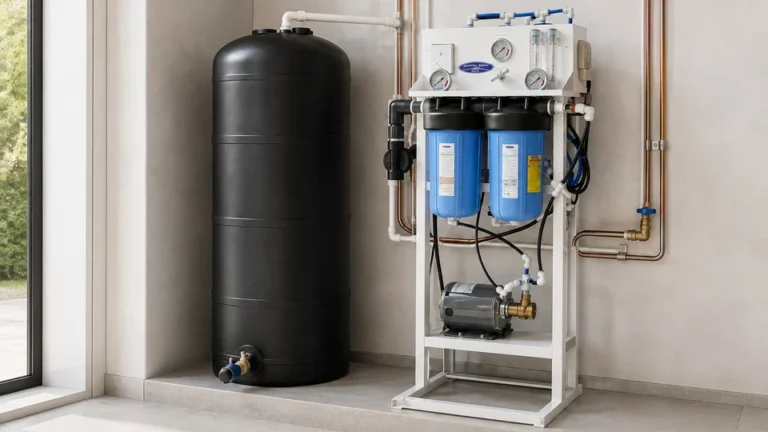
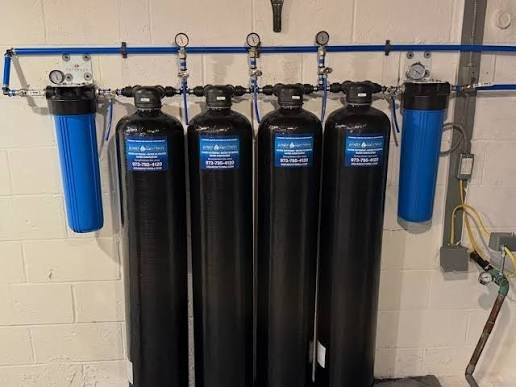
A multi-stage filtration system uses more than one treatment stage, with each component designed to perform a particular function. For example, a sediment filter may capture visible particles, while an activated carbon stage can help reduce chlorine and certain compounds that affect taste and odor. Some systems include reverse osmosis to reduce a range of dissolved substances.
The stages work together, but the details matter. Not every system contains the same components, and not every filter removes the same contaminants. A product advertised as a complete solution may still be unsuitable for a particular water supply if it hasn’t been tested for the substance you’re concerned about.
When comparing systems, look beyond the number of stages. Check the manufacturer’s performance data, independent certifications, expected filter life, water flow, and replacement costs. A well-chosen three-stage system can be more appropriate than a larger unit with features your household doesn’t need.
Every Home Has Different Water Needs
A small apartment with municipal water may need a straightforward drinking-water filter. A larger property with a private well could require sediment removal, disinfection, or treatment for minerals, depending on the test results. Meanwhile, a home with persistent hardness may benefit more from a water softener than from adding another drinking-water filter.
This is where custom solutions can make a practical difference. Instead of choosing equipment based on a general sales pitch, a tailored approach considers water test results, daily consumption, available installation space, household size, and maintenance preferences.
For example, a family that mainly wants better-tasting water for drinking and cooking might install a filter at the kitchen sink. If scale is also affecting the shower, dishwasher, and laundry, a whole-house treatment system may be worth investigating. The drinking-water system and the whole-house system would serve different purposes, even though both contribute to a more comfortable home.
It’s also sensible to consider future needs. A growing family may use more water, while an older property might need plumbing repairs before new equipment is installed. Discussing these practical details with a qualified water treatment professional can help avoid purchasing a system that’s oversized, undersized, or poorly matched to the supply.
Protecting Plumbing and Household Appliances
Water quality affects more than what goes into your glass. Minerals can gradually accumulate inside pipes and appliances, particularly in areas with hard water. Over time, that buildup may interfere with heating efficiency, restrict flow, and increase cleaning or maintenance requirements.
This can be especially relevant for water heaters, which regularly heat and store water. In hard-water areas, mineral deposits may accumulate inside the tank or on heating components. The extent of the problem depends on the water’s chemistry, equipment design, and maintenance history.
A suitable water softener can help reduce hardness-related scale, potentially making it easier to maintain plumbing and certain appliances. However, softening isn’t the same as filtration or disinfection. It won’t automatically address every water quality concern, so treatment should be selected according to the actual issue.
Regular maintenance matters here, too. Follow the appliance manufacturer’s recommendations for inspection and servicing. If you notice unusual noises, reduced hot-water performance, leaks, or a sudden change in water pressure, have the equipment checked rather than assuming a filter will solve everything.
Don’t Overlook Installation and Maintenance
Even a high-quality treatment system needs proper installation. Incorrect connections, unsuitable pipe sizes, poor drainage arrangements, or neglected sanitation can affect performance. Some systems are simple enough for a homeowner to install, while others are better handled by an experienced technician.
Before agreeing to an installation, ask what the equipment is designed to remove and how its performance will be verified. Find out whether replacement cartridges are readily available, how often the system needs servicing, and whether maintenance requires specialist assistance.
It helps to keep a basic record of filter changes and service dates. A reminder on your phone is usually enough. Waiting until the water tastes unusual isn’t a reliable maintenance strategy because a filter can reach the end of its useful life without producing an obvious warning.
If the system includes reverse osmosis, ask about water waste and storage capacity. If it uses disinfection, confirm that the process is suitable for the contamination risk identified by testing. These details may not sound exciting, but they make a real difference to long-term reliability.
Choose Performance Over Marketing
Water treatment products are often promoted with impressive claims. Some promise cleaner water, easier cleaning, or a healthier home, but the value of a system depends on what it can actually do. A filter certified to reduce one substance should not be assumed to remove every other contaminant.
Read product specifications carefully and look for independent testing against recognized standards. Compare the purchase price with the cost of replacement filters, electricity where applicable, water use, and professional servicing. A cheaper unit may cost more over time if its consumables are expensive or difficult to find.
If testing reveals a serious contamination issue, seek advice from your local water authority or a qualified water treatment specialist. Certain problems require specific treatment methods and may call for additional precautions while the issue is being addressed.
Make Better Water a Long-Term Habit
Good water treatment begins with a simple question: what does your household actually need? Once you know the answer, it’s easier to choose the right combination of testing, filtration, softening, and maintenance without paying for unnecessary features.
Water quality isn’t something you have to obsess over every day. A sensible system, installed correctly and maintained on schedule, can make drinking, cooking, cleaning, and caring for household equipment more convenient. Start with reliable information, ask questions before buying, and pay attention to changes in your water supply.
Sometimes the best improvement isn’t the biggest or most expensive system. It’s the one that quietly does its job, day after day, giving you one less thing to worry about at home.