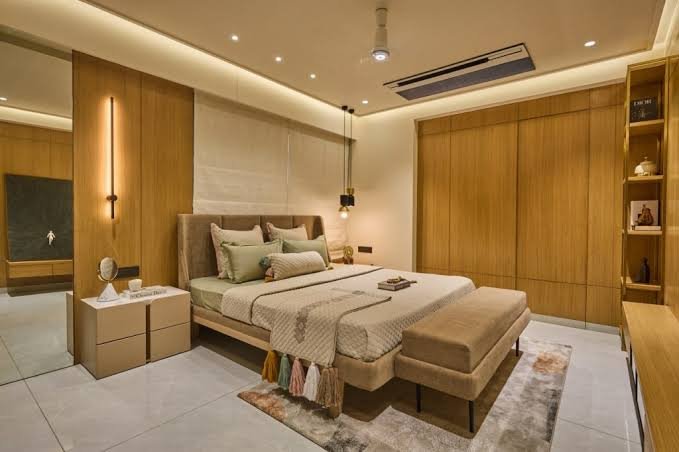
There’s a difference between a home that looks beautiful and one that feels right. You might walk into a perfectly styled room and admire the furniture, the colors, and the way everything has been arranged. But the spaces that stay with you are often the ones that make you want to sit down, stay awhile, and imagine what everyday life would feel like there.
Perhaps it’s the soft light coming through a large window, a kitchen designed around the way a family gathers, or a quiet corner that feels like a small retreat from a busy day. These details aren’t always dramatic, yet they can make an enormous difference.
Creating a home with this kind of character takes more than selecting attractive finishes. It requires an understanding of how people live, what they value, and which design choices will continue to serve them long after the initial excitement of a renovation has passed.
Good Design Starts With Understanding People
Before discussing furniture, flooring, or paint colors, it helps to ask a simple question: what should this home make possible?
For one family, the answer might be a welcoming place where relatives gather for long meals. For someone else, it could be a peaceful retreat with plenty of natural light and room to pursue creative interests. A couple working from home may need dedicated workspaces, while parents with young children might prioritize flexible rooms and storage that keeps everyday clutter under control.
These differences matter. A beautiful design that ignores the way people actually use their home can quickly become frustrating. A dining table that’s too large may interrupt the flow of a room, while a stylish entrance without practical storage can become a daily source of mess.
The most useful design conversations begin with listening. Understanding routines, preferences, and future plans helps establish priorities before major decisions are made. It also makes it easier to distinguish between features that are genuinely important and those that simply look appealing in a photograph.
A home should reflect its occupants, not the latest trend or somebody else’s idea of perfection.
Bringing the Whole Project Together
Residential design involves many connected decisions, and the challenge isn’t always choosing individual elements. It’s making sure those elements work together.
The layout affects the lighting plan. The lighting influences how colors appear. Material choices influence maintenance, durability, and even the atmosphere of a room. Changing one part of the plan can have consequences elsewhere, which is why a clear overall vision is so valuable.
Working with a full-service custom residential design studio can help homeowners approach these decisions as part of one coordinated process. Depending on the studio’s services, this may involve space planning, material selection, cabinetry and lighting concepts, construction coordination, and guidance through the finishing stages.
The benefit is not simply convenience. A coordinated approach can help prevent disconnected choices, clarify responsibilities, and keep the project aligned with its original goals. Homeowners can also gain a better understanding of how design recommendations relate to budget, practical needs, and the character of the property.
Of course, good collaboration depends on clear communication. Questions should be welcomed, expectations should be discussed honestly, and important decisions should be documented. No design process is completely free from surprises, especially during renovation, but a thoughtful plan makes unexpected challenges easier to manage.
A Personal Home Doesn’t Follow a Formula
Some people feel most comfortable in rooms filled with books, art, and objects collected over many years. Others prefer uncluttered spaces, restrained colors, and only a few carefully selected pieces. Neither approach is inherently better. What matters is whether the space feels authentic to the people who live there.
A deeply personal interior often includes details that couldn’t have been selected for just anyone. It might feature a dining table passed down through the family, artwork picked up during travels, or a favorite color used in an unexpected way. These choices give the home a story.
Personalization doesn’t mean filling every surface with meaningful objects. Sometimes one distinctive piece can carry more weight than a room full of decorations. The aim is to create a balance between individuality and visual calm.
It also helps to leave room for change. People acquire new interests, children grow older, and working arrangements evolve. A home should be able to accommodate those changes without losing its identity. Flexible furniture, adaptable storage, and thoughtfully planned spaces can make that possible.
The most convincing interiors aren’t necessarily the ones that reveal everything at once. They allow personality to emerge naturally, through details that feel genuine rather than carefully staged.
The Quiet Importance of Materials and Light
Materials shape the experience of a home in ways that aren’t always obvious at first. The grain of timber, the texture of linen, the cool surface of stone, or the softness of a wool rug can influence how a room feels before anyone consciously notices the individual elements.
Natural materials often bring warmth and variation, while smoother finishes can create a cleaner, more contemporary atmosphere. Combining the two can give an interior depth without making it visually busy. The key is to consider how different surfaces relate to one another rather than selecting each material in isolation.
Lighting deserves similar care. Natural light can make a room feel open and lively, but its quality changes throughout the day. Artificial lighting should account for those shifts. A combination of ambient lighting, task lighting, and softer accent lights allows rooms to adapt to different activities.
Maintenance matters, too. Delicate finishes may be beautiful, but they may not suit every household. Before committing to a surface, consider how it will respond to spills, scratches, humidity, and regular cleaning.
Good design makes room for these practical questions. Beauty becomes more valuable when it can withstand everyday use.
Luxury Can Be Subtle
Luxury is often associated with grand entrances, expensive materials, or rooms designed to make an immediate impression. Yet comfort and quality can be much quieter than that.
A well-proportioned room, doors that close smoothly, lighting that feels comfortable in the evening, and storage placed exactly where it’s needed can contribute more to daily satisfaction than an extravagant feature that serves little purpose.
This is what makes a quietly luxurious home so appealing. The experience comes from thoughtful proportions, tactile materials, careful craftsmanship, and details that work without demanding attention. Nothing has to shout for recognition.
That doesn’t mean avoiding bold choices. A dramatic piece of art, a rich wall color, or an unusual light fixture can add personality. The difference is that these elements belong to a considered whole rather than competing for attention.
Luxury should also be measured against the homeowner’s priorities. For some, it means a beautifully equipped kitchen. For others, it’s a bathroom that feels restful or a bedroom where outside noise is kept to a minimum. Understanding what comfort means to each household helps guide investment toward the features that will be appreciated most.
Making a Design Budget Work Harder
Even the most exciting project has financial limits. Establishing a realistic budget early helps prevent decisions from becoming a constant source of stress.
Begin by separating essential work from optional improvements. Structural repairs, electrical upgrades, and plumbing requirements generally deserve attention before decorative purchases. Then consider where quality will have the greatest long-term effect.
Flooring, frequently used seating, kitchen fittings, and lighting may justify a larger investment because they influence daily life. Accessories, artwork, and smaller decorative details can often be added over time as the home develops.
It’s sensible to include a contingency for unexpected expenses, particularly when working with an older property. Hidden damage, outdated wiring, or changes to the original layout can affect both the schedule and the cost.
Above all, ask for clarity. Understand what is included in professional fees, which services are optional, and how changes will be handled. A transparent process allows homeowners to make informed decisions rather than feeling pressured to agree to every suggestion.
Creating a Home That Grows With You
The most meaningful homes rarely feel finished in a rigid sense. They evolve as people live in them. A once-empty wall eventually holds a favorite painting, a spare room becomes a study, and a quiet corner turns into the place where everyone wants to sit with a cup of tea.
These changes are part of what makes a home feel alive. Good design provides a strong foundation while leaving enough flexibility for life to unfold.
Ultimately, creating a beautiful interior isn’t about chasing perfection. It’s about understanding what matters, making thoughtful decisions, and building a setting that supports everyday comfort as well as special occasions. When the planning is careful and the details feel genuine, a home becomes more than an attractive collection of rooms. It becomes a place that belongs to the people inside it.