Plumbing is one of those things most homeowners rarely think about until something goes wrong. A faucet starts dripping in the middle of the night, the shower suddenly loses pressure, or water begins pooling beneath the kitchen sink. These problems might seem small at first, but they can quickly become expensive if ignored. A dependable plumbing system keeps daily life comfortable, protects your property, and helps you avoid unnecessary stress.
The good news is that many plumbing issues can be prevented or addressed before they turn into major repairs. Understanding how your system works, recognizing early warning signs, and knowing when to call a professional can make a real difference. Whether you’re dealing with an unexpected leak or planning an upgrade, a little knowledge goes a long way.
Why Regular Plumbing Maintenance Matters
Most plumbing systems work quietly behind the scenes. Water travels through pipes, drains carry wastewater away, and fixtures provide clean water whenever you need it. Because these systems are used every day, normal wear and tear is unavoidable.
Small leaks, loose connections, mineral buildup, and slow drains are common examples. The trouble is that these problems don’t always announce themselves. A pipe hidden behind a wall might leak for weeks before you notice a stain, while a partially blocked drain may gradually become completely clogged.
Regular maintenance helps catch these warning signs early. Checking exposed pipes, monitoring water pressure, inspecting fixtures, and keeping drains clear are practical steps homeowners can take. It’s also wise to pay attention to changes in your water bill. If usage hasn’t changed but the bill suddenly increases, a hidden leak could be responsible.
Professional inspections can provide additional peace of mind, particularly in older homes. An experienced plumber can identify worn components, recommend sensible repairs, and explain which issues deserve immediate attention.
Recognizing When You Need Professional Help
Some plumbing problems are manageable with basic tools, but others require specialist knowledge. Repeated drain blockages, persistent low water pressure, discolored water, and unexplained damp patches should never be dismissed as minor inconveniences.
For example, a slow kitchen drain might result from grease and food debris. However, if several drains become sluggish at the same time, the problem could involve a larger section of the drainage system. Pouring chemical cleaners down every drain may offer temporary relief, but it won’t necessarily solve the underlying issue and can damage certain pipes.
Leaks deserve particular attention. Even a small amount of water can damage cabinets, flooring, drywall, and insulation over time. If a pipe bursts or water begins spreading rapidly, shut off the main water supply if it’s safe to do so and move belongings away from the affected area.
Situations like these are where emergency plumbing becomes especially important. Fast professional assistance can help control water damage, identify the source of the problem, and restore essential services. Keep your plumber’s contact details somewhere accessible rather than searching for them while standing in a flooded room.
Improving Water Quality Throughout Your Home
Water quality affects more than what comes out of the kitchen tap. Minerals and other naturally occurring substances can influence how water tastes, how well soap works, and how much maintenance household appliances require.
Hard water is a common concern in many areas. It contains elevated levels of calcium and magnesium, which can leave white deposits on faucets, showerheads, glassware, and plumbing fixtures. Over time, mineral scale may also reduce the efficiency of water-using appliances and contribute to buildup in pipes and heating equipment.
A water test is a sensible starting point because it helps identify what’s actually present in your supply. From there, you can choose a treatment option that suits your household rather than spending money on equipment you might not need.
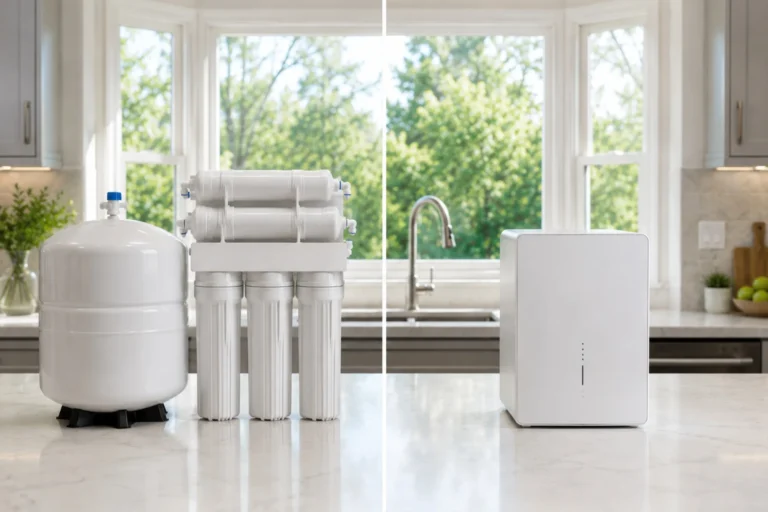
Water filtration systems address particular contaminants depending on their design. Some improve taste and odor, while others target specific substances. Water softeners, meanwhile, are designed primarily to reduce hardness minerals. These systems serve different purposes, so choosing the right one requires understanding your water conditions and treatment goals.
Is a Water Softener Worth Installing?
If hard water leaves stubborn spots on your dishes, makes soap difficult to rinse, or creates frequent mineral deposits, a softening system may be worth considering. The benefits depend on the hardness of your water, household usage, and the equipment you select.
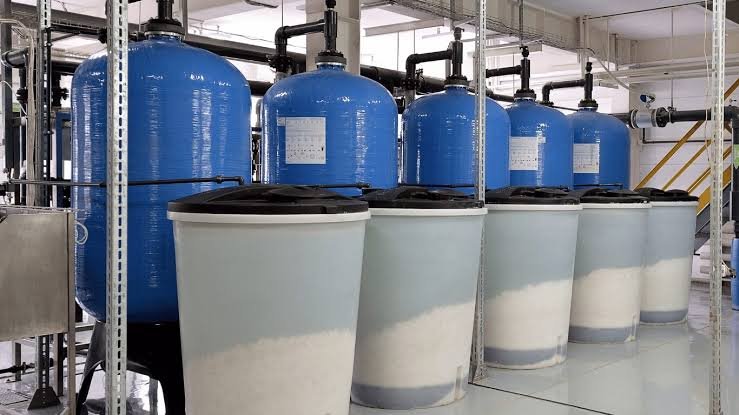
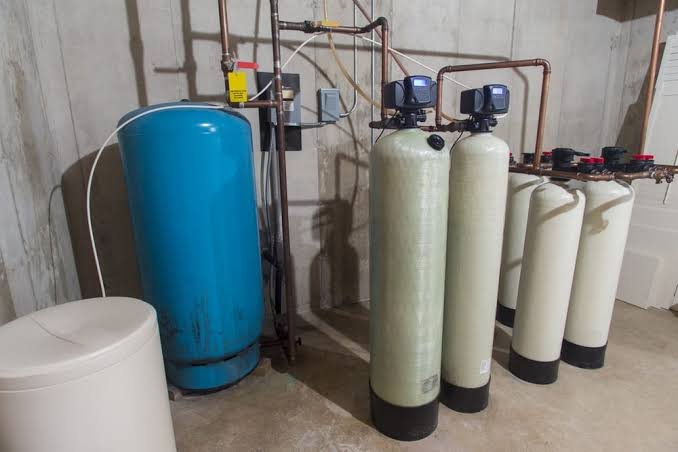
Professional water softener installation begins with evaluating your water supply, available space, plumbing layout, and expected demand. A correctly sized unit should provide enough treated water for your household without being unnecessarily large or expensive to operate.
Placement matters, too. The system needs suitable connections, access for maintenance, and a practical way to handle wastewater from regeneration where applicable. Some installations may also require adjustments to existing plumbing. A professional can explain these details before work begins.
It’s important to understand that softening doesn’t automatically make every water supply safe to drink. A softener primarily addresses hardness; it isn’t a universal filtration or disinfection system. If testing identifies other concerns, additional treatment may be appropriate.
Maintenance should also be part of the decision. Depending on the model, you’ll need to replenish salt, clean components, or arrange periodic servicing. Ask about ongoing costs and operating requirements before choosing a system. That way, you’ll know what ownership involves after installation day.
Protecting Pipes, Drains, and Water Heaters
Preventive care doesn’t need to be complicated. Avoid pouring cooking grease into kitchen drains, use suitable drain screens, and address recurring clogs instead of repeatedly ignoring them. In colder climates, exposed pipes may need insulation to reduce the risk of freezing.
Water heaters deserve routine attention as well. Unusual noises, inconsistent temperatures, visible corrosion, or water collecting around the unit can indicate a problem. Follow the manufacturer’s maintenance recommendations and have repairs handled by a qualified professional when necessary.
Pay attention to your water pressure, too. Excessively high pressure can strain plumbing connections and fixtures, while unusually low pressure may signal a blockage, leak, or supply issue. A plumber can measure pressure and recommend an appropriate solution.
These simple habits won’t prevent every failure, but they can help extend equipment life and reduce the likelihood of an unpleasant surprise.
Choosing a Plumbing Company You Can Trust
When hiring a plumber, look beyond the first price you see. Clear communication, appropriate licensing, insurance where required, relevant experience, and a willingness to explain the work are all important considerations.
Ask for a written estimate that outlines the proposed repair, expected labor, materials, and any potential additional costs. If the problem can’t be fully diagnosed until work begins, the plumber should explain that possibility before proceeding. Good communication helps prevent misunderstandings and makes it easier to compare options fairly.
It’s also worth asking about warranties, maintenance recommendations, and whether replacement is genuinely necessary. Sometimes a repair is sufficient; in other cases, an aging component may be more expensive to maintain than to replace. An honest professional should help you understand the trade-offs without pressuring you into an immediate decision.
Make Plumbing Care Part of Your Home Routine
A reliable plumbing system doesn’t happen by accident. It comes from paying attention to small changes, keeping up with maintenance, and making informed decisions when repairs or upgrades are needed. You don’t have to become an expert in pipes and fittings, either. Knowing the basics is often enough to recognize trouble and respond sensibly.
Whether you’re investigating a persistent leak, improving water quality, or planning a more efficient household system, the right advice can save time and money over the long term. Don’t wait until a minor inconvenience becomes a major disruption. If you have a plumbing concern or want to discuss practical improvements for your property, contact us today to explore your options and find a solution that fits your home’s needs.