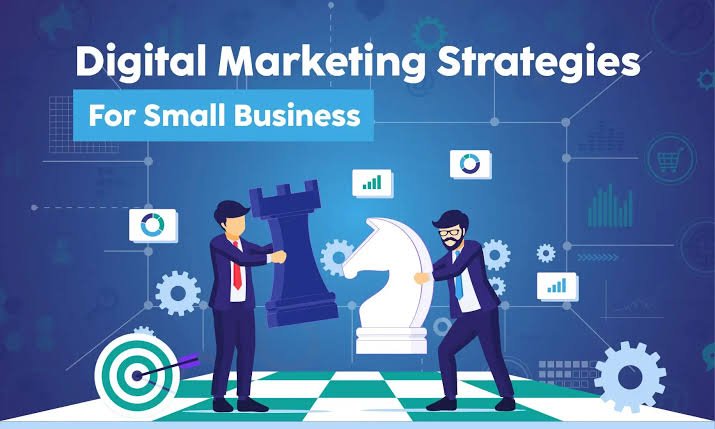
A good digital marketing strategy for a small business looks nothing like what large corporations do — and that’s actually a good thing. Small businesses can move faster, be more personal, and don’t need massive budgets to see real growth.
I’ve noticed small business owners often assume digital marketing means paid ads only. It doesn’t — some of the most effective strategies cost very little beyond consistent effort.
The Foundation of Small Business Digital Marketing
Quick answer: an effective digital marketing strategy combines a clear understanding of your target customer, a strong presence on one or two key platforms, consistent content, and basic SEO — built gradually rather than all at once.
1. Start With Your Google Business Profile
For local businesses especially, an optimized Google Business Profile often drives more real customers than any paid campaign. Keep it updated with accurate hours, photos, and responses to reviews.
2. Pick One or Two Social Platforms to Focus On
Trying to maintain a strong presence on five platforms usually means doing none of them well. Choose where your specific audience actually spends time and commit there.
3. Build a Simple Website That Converts
Your website doesn’t need to be fancy — it needs to load fast, clearly explain what you offer, and make it easy for visitors to contact or buy. Many small businesses lose customers simply due to a confusing or slow site.
4. Use Basic SEO to Get Found Organically
Even simple on-page SEO — clear titles, relevant keywords, fast loading speed — helps small businesses show up in local search results without ongoing ad spend.
5. Run Small, Targeted Paid Campaigns
Rather than broad campaigns, start with narrow, specific targeting — a particular location, interest, or customer type. Small budgets go much further when tightly focused.
6. Collect and Showcase Reviews
Reviews influence buying decisions heavily, especially for local and service businesses. Actively ask satisfied customers to leave reviews rather than waiting passively.
7. Build an Email List From Day One
Even a small email list becomes a valuable, owned marketing channel over time — unlike social media followers, you’re not at the mercy of a platform’s algorithm.
8. Track What’s Actually Working
Use free tools like Google Analytics to see where your traffic and customers actually come from, then invest more time and budget into what’s proven to work.
A Realistic 90-Day Digital Marketing Plan
- Month 1: Optimize Google Business Profile and website basics
- Month 2: Build consistent presence on one social platform
- Month 3: Start collecting reviews and building an email list
FAQs
How much should a small business spend on digital marketing? It varies, but many small businesses start effectively with ₹5,000-₹15,000 monthly, focusing on organic efforts alongside small paid campaigns.
Is social media marketing necessary for every small business? Not always — it depends on where your specific target audience actually spends time online.
How important is a Google Business Profile for local businesses? Extremely important — it’s often the first thing potential local customers see when searching for your type of business.
Can a small business succeed with only organic digital marketing? Yes, especially over time, though combining organic efforts with occasional targeted paid campaigns often accelerates growth.
What’s the biggest digital marketing mistake small businesses make? Spreading effort across too many platforms instead of building real depth and consistency on one or two.
Conclusion
A working digital marketing strategy for a small business doesn’t require a big budget — it requires focus, consistency, and starting with the basics like your Google Business Profile and website. Build gradually, track what works, and double down there. Start this week by fully optimizing your Google Business Profile — it’s often the fastest win available.