Planning a special gathering sounds exciting until the practical questions start piling up. How many people are coming? Where will everyone sit? What about food, parking, weather, music, and the inevitable guest who asks whether they can bring someone else?
It’s easy to get caught up in the details.
But underneath all that planning is a simpler question: what kind of experience do you want people to have?
For some occasions, a restaurant table is enough. For others, you need more room, privacy and flexibility. A birthday, anniversary, family reunion, engagement party or wedding can feel very different when guests have space to relax instead of being squeezed into a crowded room.
Choosing the right venue isn’t just about how attractive it looks in photographs. It should suit the people, the occasion and the way you actually want the day or evening to unfold.
Start With the Guest List
Before looking at venues, make a realistic guest list.
You don’t necessarily need an exact number immediately, but having a rough range makes the search much easier. A space designed for 30 people may feel comfortable with 25 and completely different with 50.
Think about the type of gathering as well.
A formal dinner requires a different setup from a casual family picnic. A wedding reception may need room for dancing, photography and a food service area, while an anniversary dinner might work beautifully with a smaller, more intimate arrangement.
If you’re hoping for a private gathering, ask whether the venue offers a genuinely separate space rather than simply placing your group at one end of a larger public area.
Privacy can change the atmosphere considerably. People tend to relax more when they aren’t competing with unrelated groups for attention or trying to keep conversations quiet.
Consider How the Space Will Be Used
A room can look enormous when it’s empty.
Once tables, chairs, food stations, decorations, speakers and people are added, the same space can suddenly feel much smaller. This is one of those details that photographs don’t always communicate.
When touring a venue, imagine the event happening rather than simply looking at the walls.
Where will guests enter? Where will they leave coats or bags? Where will food be served? Is there enough room for people to move around without constantly bumping into chairs?
If there will be speeches, consider where guests will sit and whether everyone can see and hear comfortably.
For events with dancing or entertainment, make sure there is usable floor space rather than assuming furniture can simply be moved later.
A little visualization at the beginning can prevent a lot of frustration on the actual day.
Don’t Choose a Venue Based Only on Appearance
A beautiful venue certainly helps, but aesthetics aren’t everything.
An attractive space with difficult parking, poor acoustics or limited restrooms can become a headache once guests arrive. Meanwhile, a simpler venue that is comfortable, convenient and well managed may produce a much better experience.
If possible, visit in person.
Walk through the entrance. Look at the restrooms. Check the seating. Listen to the room when other people are present. Ask how setup and cleanup work.
And don’t be afraid to ask slightly boring questions.
Boring questions are often useful questions.
When a Banquet Hall Makes Sense
For larger gatherings, a banquet hall can offer the kind of flexibility that smaller spaces struggle to provide.
These venues are generally designed around group events, so they may already have suitable tables, chairs, service areas and facilities. That can simplify planning considerably.
Still, every venue is different.
Ask about maximum capacity, catering policies, decoration restrictions, music or noise limitations and available equipment. Some locations provide extensive event support, while others expect you to coordinate nearly everything yourself.
Also ask whether the quoted price includes setup and cleanup. A low rental fee can look less attractive if you later discover several additional charges.
Get the details in writing. It saves confusion later.
Think About the Food
Food often becomes one of the most memorable parts of an event — for better or worse.
Your venue may have an in-house kitchen or preferred catering partners. Others may allow outside caterers. Understand the rules before booking.
Consider the style of meal you’re planning.
A plated dinner creates a more formal experience, while buffet service allows guests to choose what they want and can encourage movement around the room. Casual stations, food trucks or outdoor grilling may work well for relaxed celebrations.
Don’t forget dietary needs.
Ask guests about allergies and dietary restrictions early enough to give the caterer time to prepare. You don’t need to build an entirely separate menu for every preference, but there should be reasonable choices for guests who can’t eat certain foods.
Good hospitality often comes down to small acts of consideration.
Outdoor Spaces Can Add Something Special
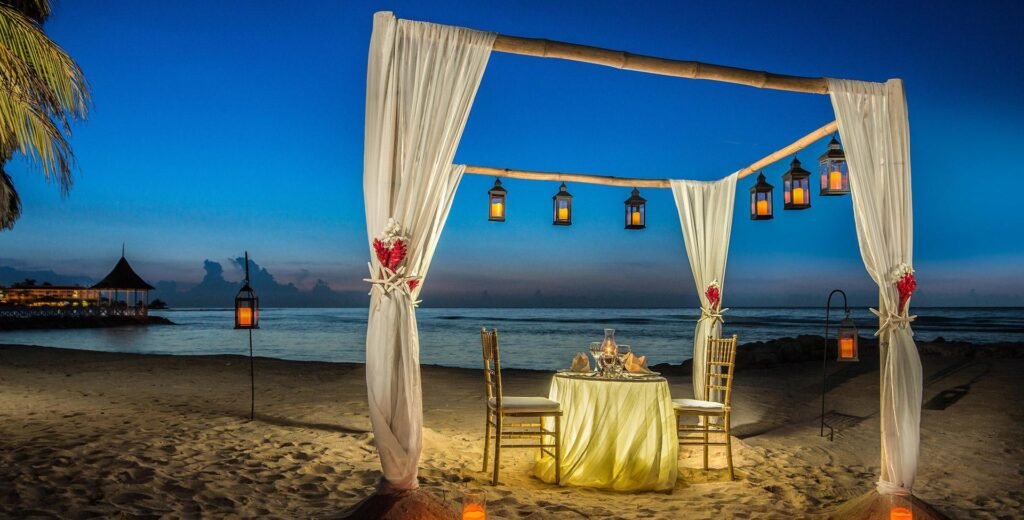
Indoor venues are practical, especially when weather is unpredictable, but outdoor areas can completely change the mood of an event.
A lake, garden, wooded area or open landscape can provide a natural backdrop for photographs and give guests somewhere to step away from the main gathering.
This can be particularly appealing when considering properties such as halfmoon resorts, where the surrounding environment may become part of the experience rather than simply serving as a background.
If you’re considering an outdoor event, though, have a backup plan.
Weather doesn’t care about your invitations.
Ask whether tents, covered areas or indoor spaces are available if conditions change. Also consider lighting if the gathering will continue after sunset. A beautiful outdoor space can become surprisingly difficult to navigate when it’s dark.
Pay Attention to Accessibility
Accessibility shouldn’t be treated as an optional extra.
Consider guests who may use wheelchairs, walkers or canes, as well as older family members or anyone who may have difficulty with stairs or long distances.
Check entrances, restrooms, pathways and seating arrangements. If parking is far from the event space, find out whether transportation or drop-off options are available.
The goal isn’t simply to meet a requirement. It’s to make sure everyone invited can participate comfortably.
A thoughtful venue makes that easier.
Think About Noise and Atmosphere
Sound can make or break a gathering.
A room with hard floors and high ceilings may look elegant but create an echo that makes conversation difficult. Outdoor spaces have their own considerations, particularly if you’re near roads, public areas or other event venues.
If music will be important, ask about sound equipment and any restrictions on volume or timing.
You should also consider your neighbors.
An event that feels wonderfully lively to your guests may be less charming to people living nearby. Understanding venue rules ahead of time helps you plan realistically.
Leave Room in the Budget
Venue pricing can be complicated.
The rental fee may only be one part of the total cost. There could be charges for catering, staffing, equipment, security, cleaning, overtime, furniture or decorations.
Create a complete budget before signing anything.
Then leave a little room for unexpected expenses. Something nearly always comes up. An extra hour here, additional chairs there, last-minute printing — none of it sounds dramatic individually, but small costs add up quickly.
Knowing your maximum budget also makes decisions easier. You can focus on venues that are realistically within reach instead of falling in love with a place that creates financial stress.
Give Yourself Enough Time
Popular venues can book well ahead, particularly during wedding season, holidays and weekends.
Start your search early when possible. Even if your event is small, having options gives you leverage and reduces pressure.
Compare several locations before deciding. Ask the same basic questions of each one so you’re making a genuine comparison rather than choosing based on whichever tour felt nicest.
And trust your instincts.
If the staff are responsive, transparent and helpful during the booking process, that’s generally encouraging. If getting straightforward answers is difficult before you’ve even signed a contract, it may become more frustrating later.
The Best Venue Supports the Moment
Ultimately, the right venue doesn’t have to be the grandest or most expensive one.
It needs to make sense for your people.
There should be enough space, reasonable comfort, practical facilities and an atmosphere that fits the occasion. Beyond that, the setting should allow guests to focus on what actually matters — spending time together.
Because that’s why you’re gathering in the first place.
The decorations will eventually come down. The food will be eaten. The chairs will be stacked and the music will stop.
What remains is the memory of being together.
Choose a space that gives that memory room to happen.