If you’ve ever wondered why some businesses seem to convert visitors into customers effortlessly, it usually comes down to having a clear sales funnel strategy — not luck, not a bigger budget, just a structured process.
I’ve noticed beginners often skip straight to “how do I get more traffic” without realizing their funnel is leaking customers at every stage before that traffic even matters.
What a Sales Funnel Actually Is
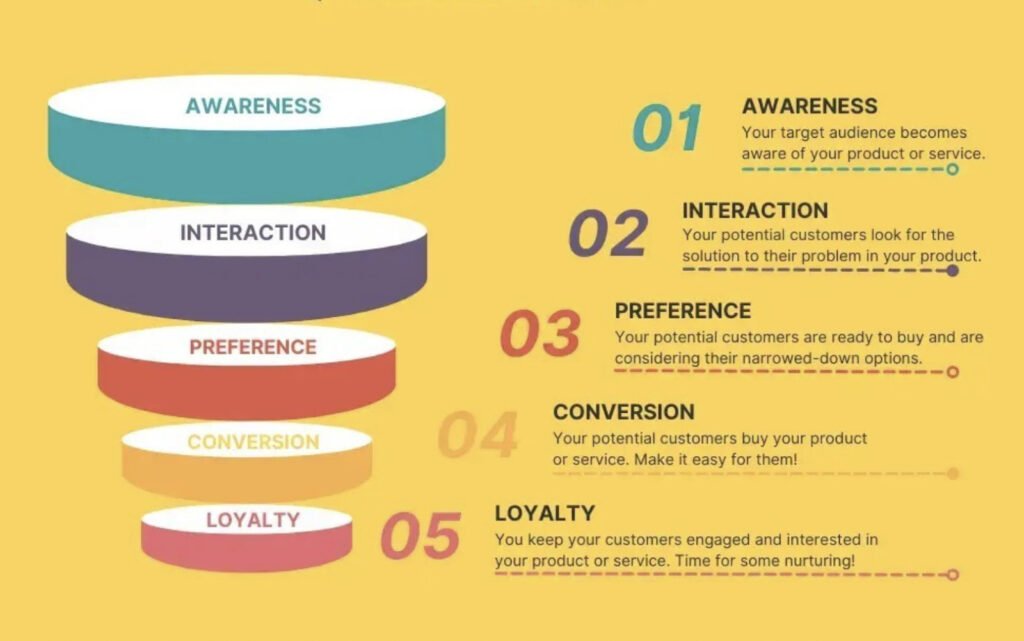
Quick answer: a sales funnel strategy maps the journey from someone first noticing your business to becoming a paying customer, typically moving through awareness, interest, decision, and action stages.
Stage 1: Awareness
This is where potential customers first discover you — through social media, search engines, word of mouth, or ads. The goal here isn’t to sell yet, just to be noticed.
Stage 2: Interest
Once someone knows you exist, you need to give them a reason to care. Useful content, helpful information, or a compelling offer keeps them engaged rather than scrolling past.
Stage 3: Decision
At this stage, potential customers are comparing options. Clear pricing, testimonials, and specific benefits (not vague claims) help push them toward choosing you over a competitor.
Stage 4: Action
This is the actual purchase or sign-up moment. A confusing checkout process or unclear next step can lose customers even after they’ve decided to buy — so keep this stage simple.
Building Your First Simple Funnel
- Create one piece of content that solves a real problem for your audience
- Drive traffic to it through social media or search
- Offer something valuable (a free guide, discount, consultation) in exchange for an email or contact
- Follow up with a clear, specific offer
Tools You Can Use to Build a Funnel
- Landing page builders like Carrd or Leadpages
- Email tools like Mailchimp for follow-up sequences
- WhatsApp Business for direct, personal follow-up
- Simple Google Forms or Typeform for lead capture
Common Funnel Mistakes Beginners Make
- Trying to sell immediately at the awareness stage
- No follow-up after someone shows interest
- Overcomplicating the funnel before testing a simple version
- Ignoring drop-off points instead of analyzing where people leave
A Quick Self-Check
Where in your current sales process do most people seem to disappear — after seeing your ad, after visiting your page, or after showing interest? That’s usually your first fix.
FAQs
Do small businesses really need a formal sales funnel? Yes, even informally — understanding how customers move from awareness to purchase helps identify where you’re losing potential sales.
What’s the difference between a sales funnel and a marketing funnel? They’re closely related; marketing funnels often focus more on awareness and interest, while sales funnels emphasize the decision and action stages.
How long should a sales funnel take to convert someone? It varies widely by industry — some funnels convert in minutes, others take weeks or months for higher-priced products.
Can I build a sales funnel without paid advertising? Yes, organic content, social media, and word of mouth can all drive traffic into a funnel without ad spend.
What’s the most common reason sales funnels fail to convert? Lack of follow-up after initial interest is one of the most common and easily fixable reasons funnels underperform.
Conclusion
A working sales funnel strategy doesn’t need to be complicated — it just needs clear stages that move people from noticing you to trusting you enough to buy. Map out your current customer journey, find where people drop off, and fix that one stage first. Start today by identifying exactly where your funnel currently leaks the most potential customers.