A solid content marketing strategy doesn’t need a full marketing team or a huge budget — it needs consistency and a clear understanding of what your audience actually wants to know.
I’ve noticed small businesses often either post randomly with no plan, or overthink it so much they never actually publish anything. Both extremes waste time.
What Content Marketing Actually Requires
Quick answer: a good content marketing strategy for small businesses starts with understanding your audience’s real questions, creating content that answers them consistently, and repurposing that content across multiple channels instead of starting from scratch each time.
1. Identify Your Audience’s Real Questions
Look at customer emails, comments, and common questions you get repeatedly. These are your best content topics — they’re already proven to matter to real people.
2. Choose Two or Three Content Formats to Start
You don’t need to be on every platform. Blog posts, short videos, or Instagram carousels are enough to start — pick formats that match where your audience actually spends time.
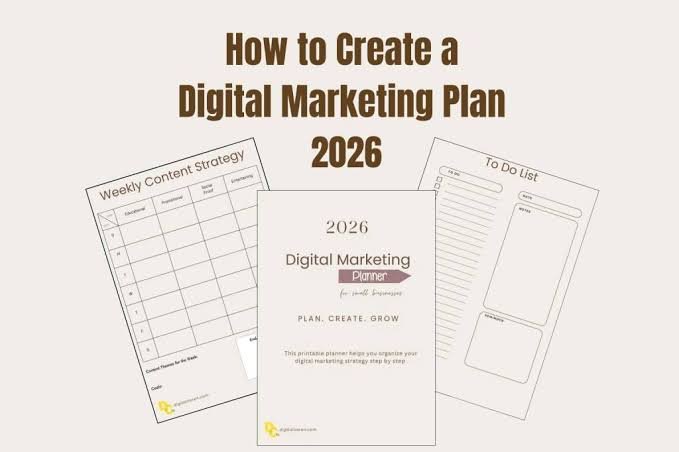
3. Build a Simple Content Calendar
Even a basic weekly plan — one blog post, two social posts — beats posting randomly whenever inspiration strikes. Consistency matters more than volume here.
4. Repurpose Content Across Channels
One blog post can become a LinkedIn post, an Instagram carousel, and an email newsletter. This single habit saves enormous time compared to creating fresh content for every platform.
5. Focus on Helpful, Not Promotional Content
Content that genuinely helps — answering questions, solving small problems — builds more trust than constant “buy now” messaging. Save direct promotion for a small portion of your content.
6. Use Keywords Naturally in Written Content
If you’re writing blog posts, research what your audience actually searches for and weave those terms naturally into your content, rather than stuffing them awkwardly.
7. Track What Actually Works
Not every piece of content will perform well, and that’s fine. Track engagement and traffic over a few months to see what topics and formats resonate most with your audience.
8. Be Patient — Content Marketing Compounds
Unlike paid ads, content marketing builds slowly but keeps working long after it’s published. A blog post from six months ago can still bring in traffic today.
A Simple Starting Framework
- Pick 5 common customer questions
- Create one piece of content answering each, over 5 weeks
- Repurpose each into 2-3 social media posts
- Review performance after 3 months and adjust
FAQs
How much does content marketing cost for a small business? It can be nearly free if you create content yourself, though hiring writers or designers adds cost depending on volume and quality needed.
How long does content marketing take to show results? Typically 3-6 months of consistent effort before seeing meaningful traffic or engagement growth, though this varies by industry.
What’s the easiest content format for beginners to start with? Short blog posts or simple social media posts answering common customer questions are usually the easiest starting point.
Do I need to post every day for content marketing to work? No — consistency matters more than frequency. Two to three quality posts a week often outperform daily low-effort posts.
Can content marketing replace paid advertising entirely? For many small businesses it can reduce reliance on ads over time, though a combination often works best, especially early on.
Conclusion
A working content marketing strategy doesn’t require a big team — it requires knowing your audience’s real questions and consistently answering them across a few key channels. Start small, repurpose what you create, and be patient with the results. Pick five common customer questions today and commit to answering one each week for the next month.