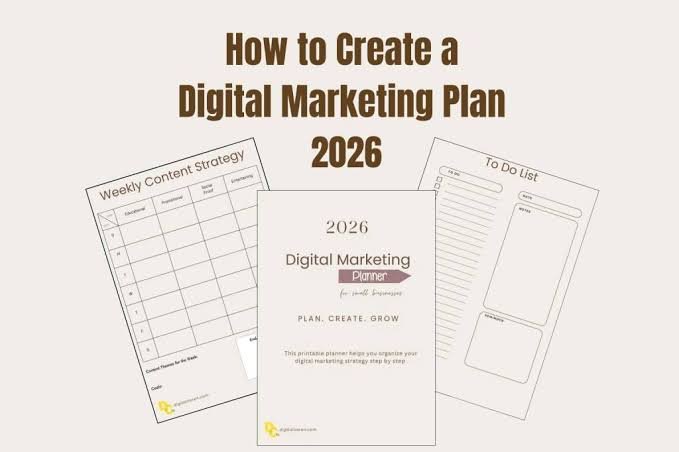
Learning how to create a marketing plan can feel intimidating if you picture a 50-page corporate document. It doesn’t need to be that. A useful marketing plan for a small business can genuinely fit on one or two pages.
I’ve written both kinds — the bloated version and the lean one — and the lean one always gets used more consistently.
What a Beginner Marketing Plan Needs
In short, learning how to create a marketing plan starts with defining your target audience, picking two or three marketing channels, setting a realistic budget, and defining what success actually looks like each month.
Step 1: Define Your Target Audience Clearly
Vague audiences like “everyone” lead to vague marketing. Get specific — age range, location, income level, and what problem they’re trying to solve.
Step 2: Set Clear, Measurable Goals
“Get more customers” isn’t a goal you can track. “Get 20 new customers this month through Instagram” is. Specific goals make it obvious whether your plan is working.
Step 3: Choose Two or Three Marketing Channels
Spreading across too many channels early on usually means doing all of them poorly. Pick the two or three where your audience actually spends time and go deep there.
Step 4: Set a Realistic Budget
Even a small budget — ₹5,000-₹10,000 a month for ads or tools — needs to be planned deliberately rather than spent reactively when something feels urgent.
Step 5: Plan Your Content and Messaging
What will you actually say to your audience? Define your core message and a rough content plan — a few posts per week, one email newsletter per month, whatever fits your channels.
Step 6: Set a Timeline
Marketing plans work better with checkpoints. Set 30, 60, and 90-day markers to review progress rather than waiting a full year to evaluate.
Step 7: Track and Adjust Monthly
Review what’s working and what isn’t every month. A marketing plan isn’t fixed in stone — it should evolve as you learn what actually resonates with your audience.
A Simple One-Page Marketing Plan Template
- Target Audience:
- Main Goal (specific, measurable):
- Marketing Channels (pick 2-3):
- Monthly Budget:
- Core Message:
- Content Plan:
- 30/60/90-Day Checkpoints:
Common Mistakes to Avoid
- Trying to market to everyone instead of a specific audience
- Setting vague goals with no way to measure success
- Spreading budget too thin across too many channels
- Never reviewing or adjusting the plan after creating it
FAQs
Do small businesses really need a formal marketing plan? Even an informal one-page plan helps clarify who you’re targeting and where to focus limited time and budget.
How often should a marketing plan be updated? Reviewing and adjusting monthly, with a broader review every quarter, works well for most small businesses.
What’s the most important part of a marketing plan? Defining a clear, specific target audience — everything else in the plan depends on getting this right first.
Can I create a marketing plan without a budget for ads? Yes, organic strategies like content marketing, social media, and referrals can form the backbone of a marketing plan with minimal spend.
How do I know if my marketing plan is actually working? Track specific metrics tied to your goals — leads, sales, website traffic — and compare them against your defined checkpoints.
Conclusion
Learning how to create a marketing plan doesn’t need to be complicated — define your audience clearly, pick a few focused channels, set measurable goals, and review progress regularly. A simple plan you actually follow beats an elaborate one that sits unused. Fill in the one-page template above this week and start tracking your first 30-day checkpoint.