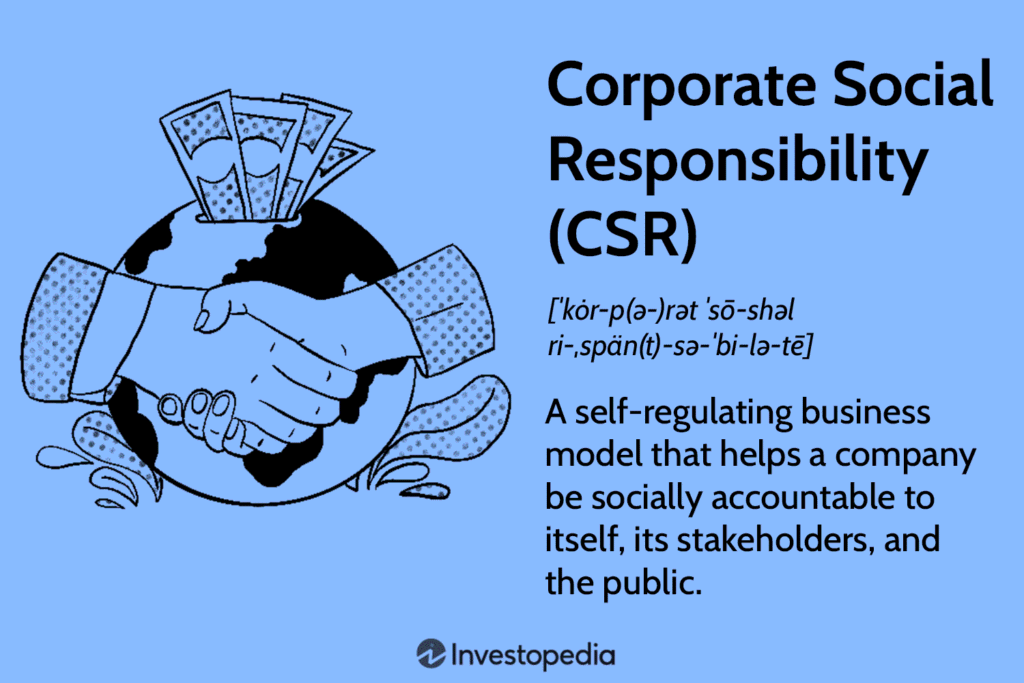
Corporate social responsibility usually brings to mind massive companies with dedicated CSR departments and huge budgets. But smaller companies can — and honestly, should — build meaningful CSR practices too, without needing crores in budget.
I’ve noticed small businesses often assume CSR isn’t “their size” of problem to solve. That’s a mistake, and it’s an easy one to fix.
What CSR Looks Like at a Small Scale
In short, corporate social responsibility for small companies can be as simple as local community support, ethical sourcing, employee wellbeing programs, or environmental practices — scaled to fit the budget you actually have.
1. Local Community Support
Sponsoring a local school event, supporting a nearby NGO, or offering free workshops in your area of expertise builds real community goodwill without needing a large budget.
2. Ethical and Local Sourcing
Choosing local suppliers over cheaper distant ones, even at slightly higher cost, supports local economies and often improves supply chain reliability too.
3. Employee Wellbeing Initiatives
CSR isn’t only external. Fair wages, mental health support, and reasonable work hours are internal CSR practices that directly affect real people’s lives.
4. Environmental Practices
Reducing plastic use, recycling programs, or switching to energy-efficient equipment are achievable steps for small businesses, not just large manufacturing companies.
5. Skill-Based Volunteering
Offering your team’s professional skills — accounting help for a local NGO, design work for a community project — costs time rather than money, and it’s often more valuable than a cash donation.
6. Transparent Business Practices
Being honest about pricing, sourcing, and business practices with customers builds trust and is itself a form of social responsibility, even if it’s rarely labeled that way.
7. Supporting Employee Volunteering
Giving employees a few paid hours a month to volunteer for causes they care about builds goodwill both internally and with the broader community.
8. Small-Scale Charitable Partnerships
Partnering with one local charity consistently, rather than spreading thin across many causes, tends to create deeper, more meaningful impact over time.
Why Small Company CSR Matters
- Builds customer trust and loyalty, especially with younger buyers
- Improves employee retention and morale
- Differentiates you from competitors who ignore it entirely
- Creates genuine community goodwill that compounds over time
Getting Started Without a Big Budget
- Pick one cause your team genuinely cares about
- Start with time or skill-based contributions before cash
- Be consistent rather than sporadic
- Communicate it honestly, without over-promoting
FAQs
Can small businesses really do meaningful CSR without a big budget? Yes — time, skills, and local partnerships often matter more than large cash donations for small companies.
Does CSR actually help small business growth? Many studies link CSR practices to improved customer loyalty and employee retention, both of which support long-term growth.
What’s an easy first CSR step for a small business? Partnering with one local cause or offering skill-based volunteering is usually the simplest starting point.
Is CSR only about the environment? No — it also includes employee wellbeing, ethical sourcing, community support, and transparent business practices.
How do I measure CSR impact as a small business? Track simple metrics like volunteer hours, community partnerships, and customer feedback related to your CSR efforts.
Conclusion
Corporate social responsibility isn’t reserved for large corporations with big budgets — small companies can build genuine, meaningful CSR practices through local support, ethical choices, and employee wellbeing. Start with one cause, be consistent, and let the impact grow naturally from there. Pick one small step from this list and commit to it for the next three months.