Everyone says corporate culture matters, but few companies actually know how to build it beyond putting “we value collaboration” on a wall poster. Real culture shows up in how people actually behave when no one’s watching.
I’ve worked with teams where the stated values and the actual daily behavior were completely different things — and employees notice that gap faster than leadership thinks.
What Corporate Culture Really Means
Quick answer: corporate culture is the actual pattern of behavior, decisions, and communication inside a company — not the values printed on the website, but how people genuinely treat each other and their work day to day.
1. Culture Starts With Leadership Behavior, Not Policy
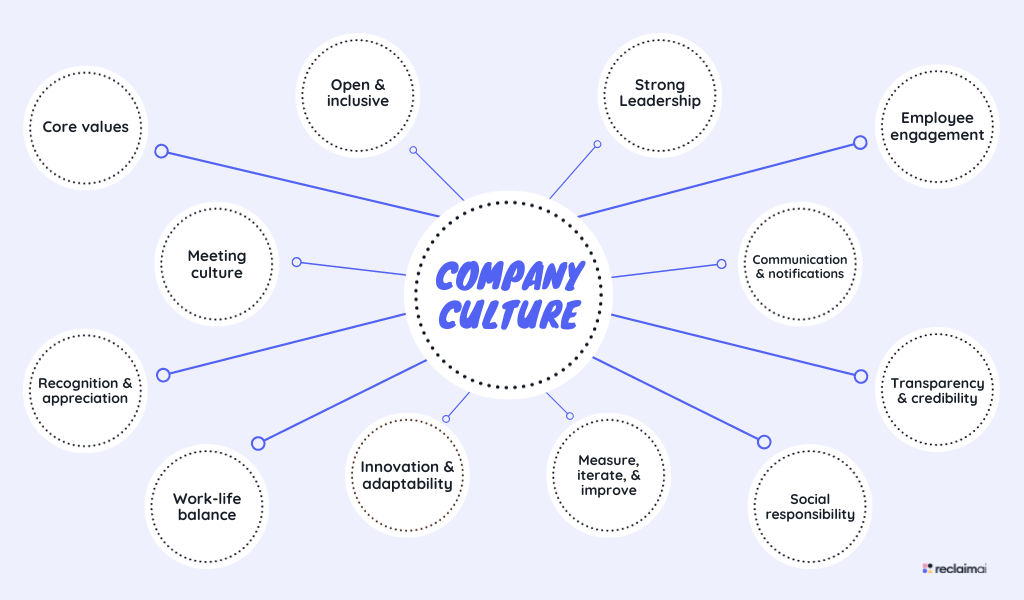
Employees copy what leaders do, not what they say. If leadership talks about work-life balance but sends emails at midnight expecting replies, the real culture message is clear — and it’s not the one on the poster.
2. Define What You Actually Value
Vague words like “integrity” or “excellence” mean nothing without specifics. Instead, define behaviors: “we communicate delays before deadlines, not after” is something people can actually follow.
3. Build Feedback Loops That People Trust
Anonymous surveys are fine, but real culture change happens when employees see their feedback lead to visible action. If nothing changes after three surveys, people stop bothering to respond honestly.
4. Recognize and Reward the Right Behaviors
What gets rewarded gets repeated. If only aggressive salespeople get promoted while collaborative team players get overlooked, don’t be surprised when collaboration quietly disappears.
5. Handle Conflict Openly, Not Silently
Cultures that avoid addressing conflict directly tend to build resentment underground. Training managers to have direct, respectful conversations early prevents bigger problems later.
6. Onboarding Sets the Tone Early
New hires form their opinion of your culture within the first few weeks. A rushed, confusing onboarding process signals disorganization — even if the rest of the company runs well.
7. Make Room for Psychological Safety
People need to feel safe raising concerns, admitting mistakes, or disagreeing with a manager without fear of punishment. This single factor has been linked repeatedly to stronger team performance.
Signs of a Weak Corporate Culture
- High turnover, especially among good performers
- Employees rarely speak up in meetings
- Gossip and side conversations replace direct communication
- Leadership values differ visibly from daily practice
Does any of this sound familiar in your own workplace?
FAQs
How long does it take to change a company’s culture? Meaningful culture change typically takes 12-24 months of consistent leadership behavior, not a single initiative or event.
Can a small company have strong corporate culture? Yes — culture isn’t about company size, it’s about consistent behavior and values lived out daily, which can actually be easier in smaller teams.
Who is responsible for corporate culture? Leadership sets the tone, but every employee contributes to the daily reality of the culture through their own behavior.
What’s the difference between culture and company values? Values are what a company says it believes; culture is what actually happens day to day, which may or may not match those values.
Does remote work hurt corporate culture? It changes it rather than automatically hurting it — remote teams need more intentional communication and connection efforts.
Conclusion
Strong corporate culture isn’t built through posters or mission statements — it’s built through consistent leadership behavior, honest feedback loops, and rewarding the right things over time. Start by honestly comparing your stated values to your actual daily practices; the gap you find is exactly where the real work begins.