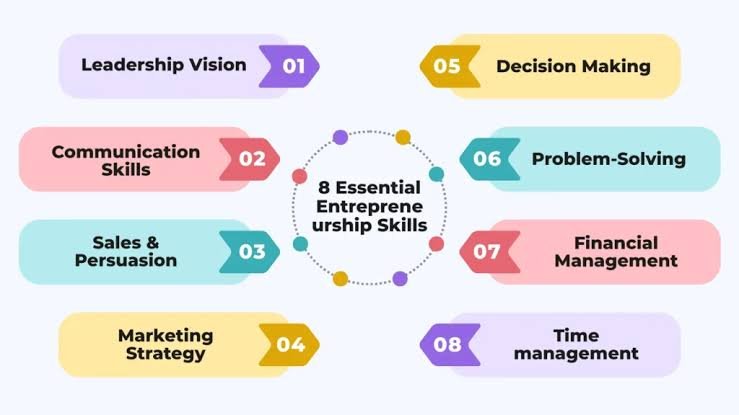
“I want to know how to become an entrepreneur, but I have zero experience.” I hear a version of this sentence constantly. And honestly? Almost every entrepreneur started exactly there. Experience isn’t a prerequisite — it’s something you build on the way.
Let me be blunt about something: waiting until you feel “ready” is usually just fear wearing a practical-sounding disguise.
The Honest Answer
In short, learning how to become an entrepreneur with no experience starts with picking a small, low-risk idea, testing it with real people, learning as you go, and treating your early mistakes as tuition rather than failure.
Step 1: Stop Waiting for the “Right” Idea
New founders often sit on ideas for months, refining them in their heads instead of testing them in the real world. Pick a decent idea — not a perfect one — and start.
Step 2: Choose Something Low-Risk to Start
You don’t need to quit your job on day one. Start a side project, freelance gig, or small service business while you still have income coming in. This buys you room to learn without the pressure of survival.
Step 3: Talk to Real Potential Customers
Before building anything, have five to ten conversations with people who might actually buy what you’re planning. Their answers will save you months of guessing.
Step 4: Learn the Basics of Money
You don’t need an MBA. You need to understand revenue, costs, and profit well enough to make decisions without guessing. There are free courses on this — use them.
Step 5: Build a Small, Imperfect Version First
Your first product or service doesn’t need to be polished. It needs to solve the core problem for a small group of people. Fix and improve it based on what they tell you.
Step 6: Find a Mentor or Community
Connecting with people who’ve done this before shortens your learning curve dramatically. Local startup meetups, LinkedIn groups, and even WhatsApp founder communities can help.
Step 7: Expect to Make Mistakes — and Learn Fast
Every experienced entrepreneur has a list of early mistakes they laugh about now. The difference between them and someone who gives up isn’t fewer mistakes — it’s recovering from them faster.
Common Fears That Hold Beginners Back
- “I don’t have enough money” — most businesses can start smaller than you think
- “I don’t have the right skills” — you can learn or hire for gaps
- “What if I fail?” — most successful entrepreneurs have failed at least once before
A Simple First-Month Plan
- Week 1: Pick an idea and talk to 5 potential customers
- Week 2: Build a rough version of the offer
- Week 3: Get your first paying (or trial) customer
- Week 4: Review what worked and adjust
FAQs
Do I need a college degree to become an entrepreneur? No. Many successful entrepreneurs are self-taught or learned through direct experience rather than formal education.
Should I quit my job to start a business? Not initially. Most first-time founders build their idea alongside a job or steady income before going full-time.
What’s the biggest mistake new entrepreneurs make? Waiting too long to test their idea with real customers instead of just building in isolation.
How much money do I need to start as a first-time entrepreneur? It depends on the business, but many service-based businesses can start with very little capital.
Is failure common for first-time entrepreneurs? Yes, and it’s often part of the learning process rather than a sign you shouldn’t continue.
Conclusion
Learning how to become an entrepreneur with no experience isn’t about waiting until you feel ready — it’s about starting small, testing fast, and learning from what happens. Pick a low-risk idea this month, talk to real people, and build your experience one small step at a time. There’s no better time to start than with your very next conversation with a potential customer.