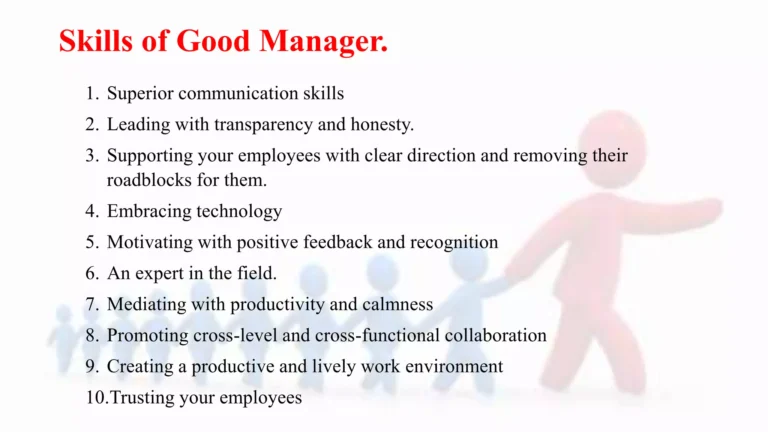
A lot of people ask how to improve leadership skills expecting some complicated framework or expensive certification. Honestly? Most improvement comes from small, consistent changes in daily behavior, not a weekend workshop.
I’ve noticed the managers who improve fastest aren’t the ones reading the most leadership books — they’re the ones actually asking their team for honest feedback and acting on it.
The Practical Path to Better Leadership
In short, learning how to improve leadership skills at work involves seeking honest feedback, practicing active listening, taking ownership of mistakes, and deliberately working on one weak area at a time instead of trying to fix everything at once.
Step 1: Ask for Honest Feedback — And Actually Listen
Most managers never directly ask their team how they’re doing as a leader. A simple, private conversation — “what’s one thing I could do better?” — often reveals more than any self-assessment.
Step 2: Practice Active Listening
This means actually listening to understand, not just waiting for your turn to respond. Repeat back what you heard before responding — it slows you down just enough to actually absorb what’s being said.
Step 3: Take Ownership of Mistakes Publicly
When something goes wrong under your leadership, own it clearly instead of deflecting. This single habit builds more trust with a team than almost any other leadership behavior.
Step 4: Work on One Skill at a Time
Trying to fix communication, delegation, and decisiveness all at once usually leads to improving none of them. Pick one area, focus for a month, then move to the next.
Step 5: Delegate More Than Feels Comfortable
If you’re holding onto tasks your team could handle, you’re limiting both their growth and your own capacity to lead effectively. Start small — delegate one task you’d normally keep for yourself.
Step 6: Find a Mentor or Peer Group
Talking through real leadership challenges with someone who’s faced similar situations — a mentor, a peer manager — often teaches more than theoretical courses.
Step 7: Read Case Studies, Not Just Theory
Abstract leadership principles are harder to apply than real examples of how specific leaders handled specific, messy situations. Case studies bridge that gap effectively.
Step 8: Reflect Weekly on What Worked and What Didn’t
A short weekly review — what went well, what didn’t, what you’d do differently — builds self-awareness faster than most formal training programs.
Common Roadblocks to Improving Leadership Skills
- Assuming leadership skills are fixed rather than learnable
- Avoiding feedback because it feels uncomfortable
- Trying to change everything at once instead of one habit
- Not tracking whether changes are actually working
A Simple 30-Day Leadership Improvement Plan
- Week 1: Ask three team members for honest feedback
- Week 2: Pick one weak area and focus only on that
- Week 3: Delegate at least two tasks you’d normally keep
- Week 4: Reflect and ask for feedback again to measure progress
FAQs
Can leadership skills really improve, or are they fixed traits? They can absolutely improve with deliberate practice, feedback, and self-awareness — very few effective leaders started out naturally skilled at everything.
How long does it take to notice improvement in leadership skills? Small, consistent changes often become visible to a team within a few months of deliberate effort.
What’s the fastest way to improve as a new manager? Asking your team directly for honest, specific feedback tends to produce the fastest, most actionable improvement.
Do leadership courses actually help? They can provide useful frameworks, but real improvement usually comes from applying lessons directly in daily work situations.
Is it normal to feel unsure about your leadership abilities? Yes, this is common even among experienced managers — self-doubt often pushes people toward genuine improvement rather than complacency.
Conclusion
Learning how to improve leadership skills doesn’t require a dramatic overhaul — it requires honest feedback, focused practice on one area at a time, and consistent reflection on what’s actually working. Small, deliberate changes compound into real leadership growth over months, not days. This week, ask one team member for honest feedback and actually act on what they tell you.