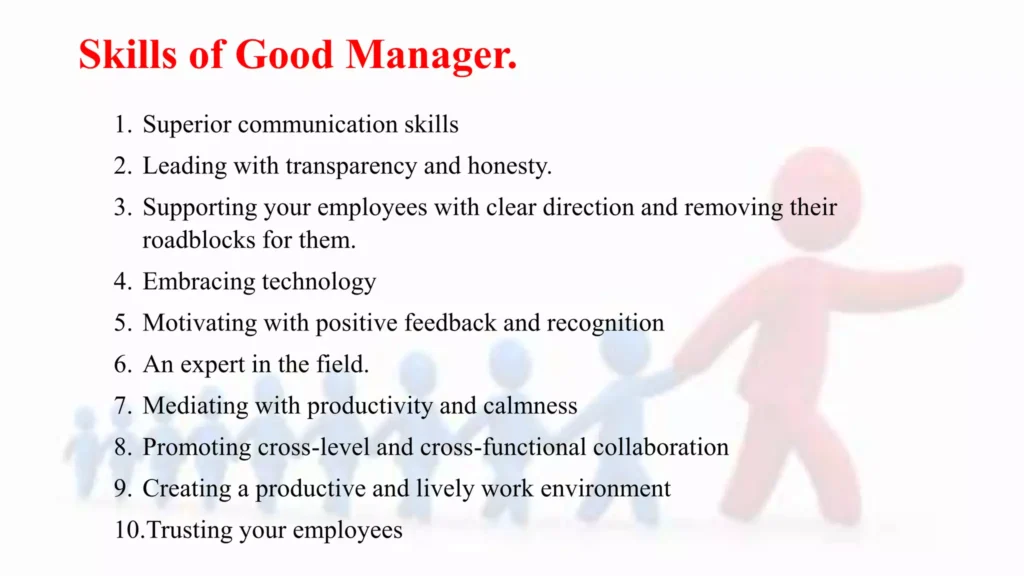
Everyone has worked for at least one bad manager and, if they’re lucky, one genuinely great one. The difference usually comes down to a specific set of leadership qualities — not charisma, not seniority, but consistent behavior over time.
I’ve noticed the best managers I’ve worked with rarely talked about being “leaders.” They just quietly did the right thing, over and over, even when it was inconvenient.
What Separates Great Managers From Average Ones
Quick answer: the core leadership qualities that make a great manager are clear communication, consistency, accountability, empathy, and the ability to make decisions without needing everyone’s approval first.
1. Clear Communication
Great managers explain expectations clearly and early, not after something goes wrong. Ambiguity is one of the most common sources of team frustration, and it’s entirely avoidable.
2. Consistency
Teams trust managers whose behavior doesn’t swing wildly based on mood or pressure. Consistency, even in small daily interactions, builds a stable environment people actually want to work in.
3. Accountability
Good managers own their mistakes publicly instead of quietly shifting blame. This single behavior does more for team trust than almost anything else on this list.
4. Empathy
Understanding what team members are dealing with — professionally and sometimes personally — allows managers to lead people, not just tasks. This doesn’t mean lowering standards; it means understanding context.
5. Decisiveness
Teams get frustrated by managers who can’t make a call. Great leadership means gathering enough information, then deciding — and adjusting later if needed, rather than waiting endlessly for certainty.
6. Delegation
Micromanaging kills team morale and growth. Strong managers trust their team with real responsibility, then step back rather than hovering over every task.
7. Giving Honest Feedback
Vague or overly soft feedback doesn’t help anyone improve. The best managers give specific, timely feedback — both positive and constructive — without making it personal.
8. Adaptability
Plans change, priorities shift, and great managers adjust without falling apart or blaming the team for the change. Rigid managers tend to create rigid, brittle teams.
How to Develop These Qualities Over Time
- Ask your team directly for feedback on your management style
- Practice owning mistakes out loud, even small ones
- Set clear expectations before starting new projects, not mid-way through
- Read management case studies, not just leadership theory
Which of these qualities would your own team say you’re weakest at?
FAQs
Are leadership qualities something you’re born with? Some traits come naturally, but most core leadership qualities — communication, accountability, decisiveness — can be developed through practice and self-awareness.
What’s the difference between a boss and a leader? A boss relies on authority to get results; a leader earns trust and influence through consistent, fair behavior over time.
Can introverts be great managers? Absolutely. Leadership isn’t about being the loudest person in the room — it’s about clarity, consistency, and trust, which introverts often build very effectively.
How important is emotional intelligence in leadership? Very important — understanding and managing both your own emotions and your team’s is closely linked to effective leadership.
What’s the fastest way to lose a team’s trust as a manager? Being inconsistent, avoiding accountability for mistakes, or giving vague, unclear expectations tend to damage trust the fastest.
Conclusion
Great leadership qualities aren’t flashy — they show up in small, consistent behaviors like clear communication, honest accountability, and genuine empathy. Managers who build these habits, even imperfectly, tend to earn far more trust than those relying on authority alone. Pick one quality from this list you know needs work, and focus on it deliberately this month.