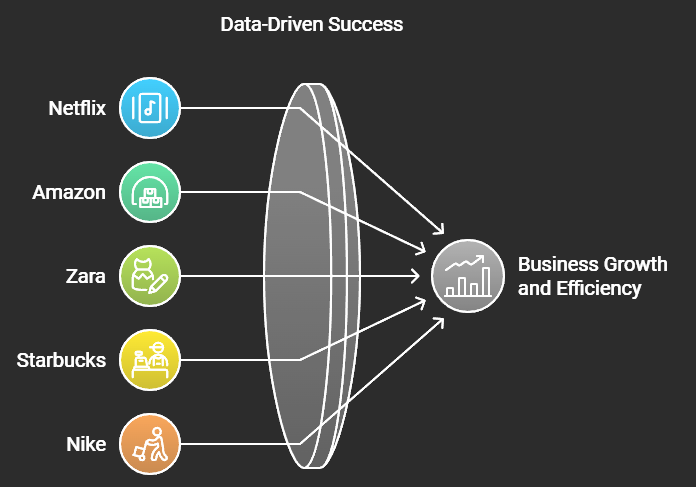
Reading generic business advice only gets you so far — looking at real business case studies shows how actual companies navigated specific decisions, mistakes, and turning points that theory alone can’t teach.
I’ve found that the most useful case studies aren’t the flashy “how we became a unicorn” stories — they’re the ones that show the messy, uncertain decisions made along the way.
Why Case Studies Matter More Than General Advice
Quick answer: business case studies are valuable because they show real decisions, real constraints, and real outcomes — helping you understand not just what worked, but the specific context that made it work for that particular business.
Case Study 1: Zerodha’s Bootstrapped Growth
Zerodha built one of India’s largest stock brokerages without external venture funding, focusing instead on a simple, transparent flat-fee model that stood out in a market full of complicated commission structures. The lesson here isn’t “avoid funding” universally — it’s that a genuinely differentiated, simple offering can outcompete bigger players with more capital.
Case Study 2: Nykaa’s Content-First Approach
Nykaa built early traction through detailed beauty content and product education before it became purely transactional. This content-first approach built trust and organic traffic that paid advertising alone couldn’t have achieved as cost-effectively.
Case Study 3: A Local Kirana Store’s Digital Pivot
Picture a small kirana store owner in a Tier-2 city who added a simple WhatsApp ordering system during a slow period. Within months, repeat orders from regular customers increased noticeably, simply because ordering became more convenient than walking to the shop.
What These Case Studies Have in Common
- They solved a specific, real problem rather than a vague market gap
- They differentiated clearly instead of copying competitors directly
- They built trust through consistency, whether through pricing, content, or convenience
- None of them scaled recklessly before proving the core model worked
How to Apply Case Study Lessons to Your Own Business
- Identify what specific problem the case study company actually solved
- Look at what made their approach different from competitors at the time
- Consider what’s genuinely transferable to your situation versus what was specific to their context
- Test a small version of the idea before committing fully
A Word of Caution About Case Studies
Not every lesson transfers directly — market conditions, timing, and resources differ. Use case studies for inspiration and pattern recognition, not as a rigid blueprint to copy exactly.
FAQs
Why are business case studies useful for entrepreneurs? They provide real, specific examples of decisions and outcomes, offering more practical insight than generic business advice alone.
Can small businesses learn from large company case studies? Yes, though it’s important to focus on transferable principles rather than trying to copy strategies that required resources you don’t have.
What should I look for when reading a business case study? Focus on the specific problem solved, the reasoning behind key decisions, and the actual results rather than just the surface-level narrative.
Are Indian business case studies more relevant than international ones? They often offer more directly applicable context regarding market conditions, customer behavior, and regulations relevant to Indian businesses.
How do I find good business case studies to learn from? Business publications, company blogs, and detailed interviews with founders are good sources beyond generic “success story” articles.
Conclusion
Business case studies offer something generic advice can’t — real context around real decisions. Look beyond the surface success stories to understand the actual reasoning and constraints behind them, then apply what genuinely transfers to your own situation. Pick one case study from this list and write down two specific lessons you could actually test in your own business this month.